News and Announcements
Thirty Years of Innovative Computing

On August 7–9, 2019, the Innovative Computing Laboratory celebrated its 30th anniversary with a “Thirty Years of Innovative Computing” workshop. Held at the University of Tennessee’s Student Union, the celebration and workshop included 50 talks by ICL alumni across 2 days. The participants, around 100 ICLers in total, came from all over the globe—including attendees from as far away as Japan and Saudi Arabia—to share their current interests (research or otherwise) and to celebrate their time at ICL.
Catching up with old friends and colleagues was easy to do with plenty of time to reconnect and remember. A welcome reception on August 7th kicked off the event at the Hilton, and a banquet at the Knoxville Museum of Art followed on August 8th. A farewell dinner at Calhoun’s capped off the event, with friends and family joining in on the festivities.


Throughout the whirlwind workshop—Jack sets a quick tempo—one familiar and eminently relatable sound was heard: laughter. Finding a large group of affable and good-natured people is difficult in any organization, let alone one that has spanned 30 years. And yet, here we are—part of an organization that has always striven for excellence, always been a hub of leadership and talent, and always has something to smile and laugh about. See you all next time.
The Editor would like to thank all of the photo contributors. The entire photo collection can be found here.
EPEXA Funded
The Production-quality Ecosystem for Programming and Executing eXtreme-scale Applications (EPEXA) project has been funded by the National Science Foundation. EPEXA is a collaboration between UTK/ICL (George Bosilca), Stony Brook University (Robert Harrison), and Virginia Tech (Ed Valeev).
Funded for five years, EPEXA is a follow on to the TESSE effort and aims to create a production-quality, open-source software ecosystem that enhances programmer productivity and portable performance for advanced scientific applications on massively-parallel, hybrid, many-core systems.

Specifically, through science-driven codesign, the team plans to harden the previous research prototype into a production-quality, data-flow programming model and associated parallel runtime with the aim of growing the community of scientists employing these tools in their research.
The EPEXA team will leverage the success of their prior work in data-flow and dependency-style programming models and associated runtimes and in fielding sustainable production-quality runtimes, domain-specific languages, and linear algebra libraries. EPEXA’s kickoff meeting will be held on November 1, 2019. Congratulations to everyone involved.
The Editor would like to thank George Bosilca for his contributions to this article.
Conference Reports
Collegeville Workshop on Sustainable Scientific Software

On July 22–24, 2019, St. John’s University in Collegeville, Minnesota hosted the first Workshop on Sustainable Scientific Software (CW3S19), and ICL’s Heike Jagode was among the 40 participants. The goal of this workshop was to bring together community leaders and practitioners in scientific software to identify the challenges and priority research direction(s) needed to improve the sustainability of the scientific software stack.
The meeting was a mixture of talks, panels, and group discussions on topics like sustainability challenges, technical approaches for improved sustainability, cultural approaches for improved sustainability, and the like.
Heike presented sustainability challenges in the Performance API (PAPI) project, drawing on the lessons learned from the past 20 years of the application’s development. To this end, she presented her white paper, “What it Takes to Keep PAPI Instrumental for the HPC Community” and also laid out PAPI’s path forward and the development of a new PAPI++ software package with Modern C++.
The Editor would like to thank Heike Jagode for her contributions to this article.
Euro-Par 2019
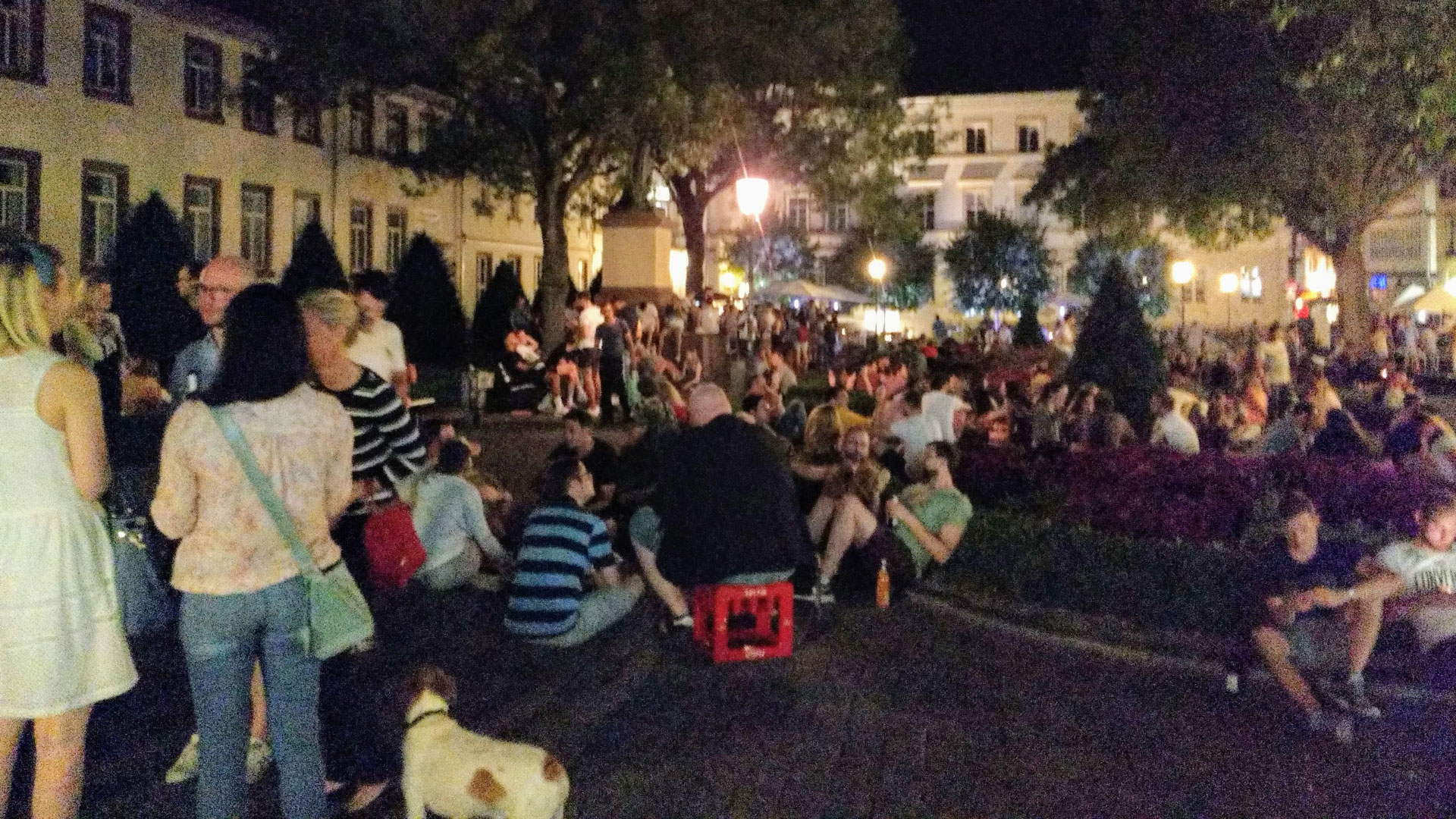

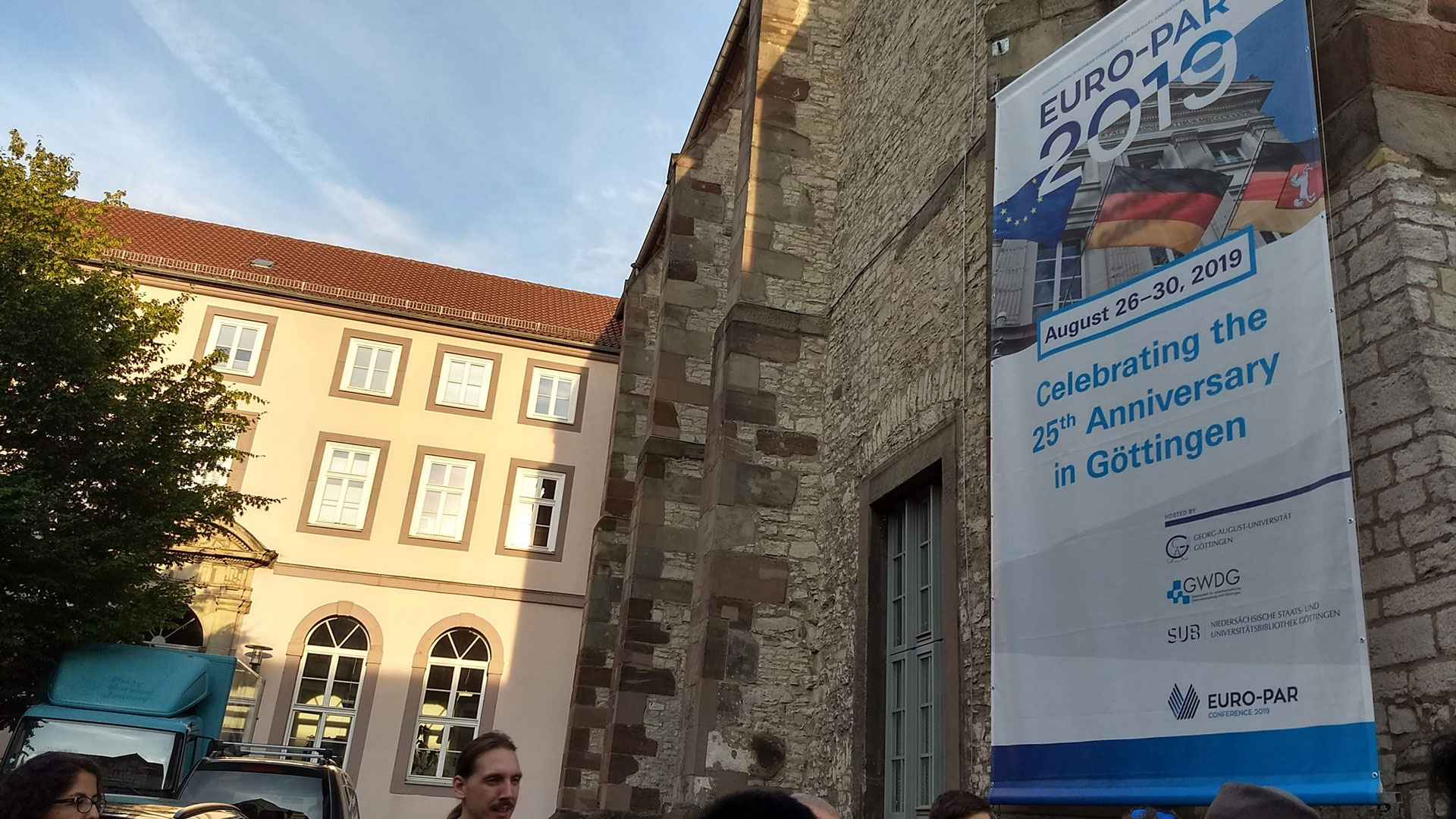
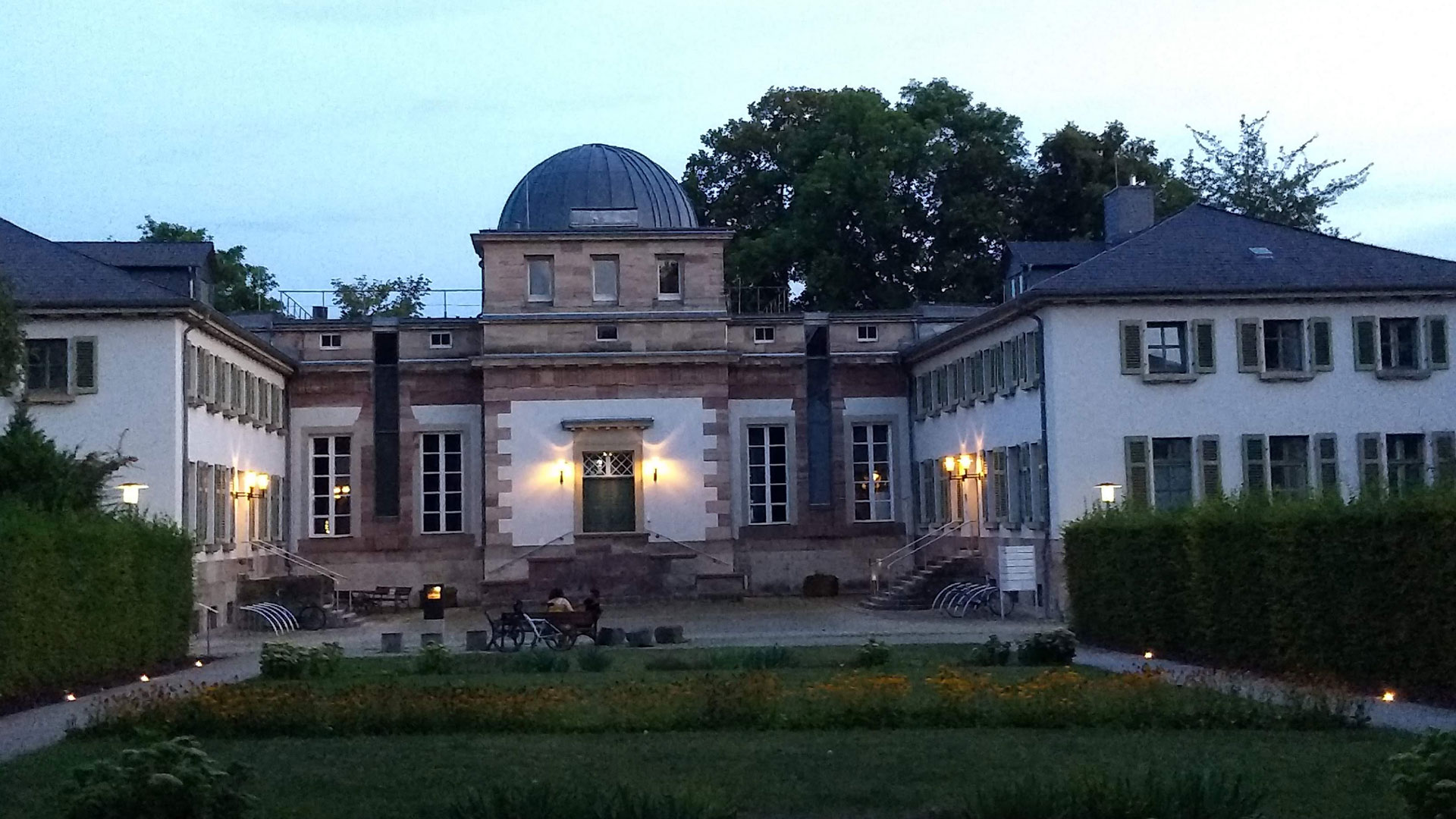
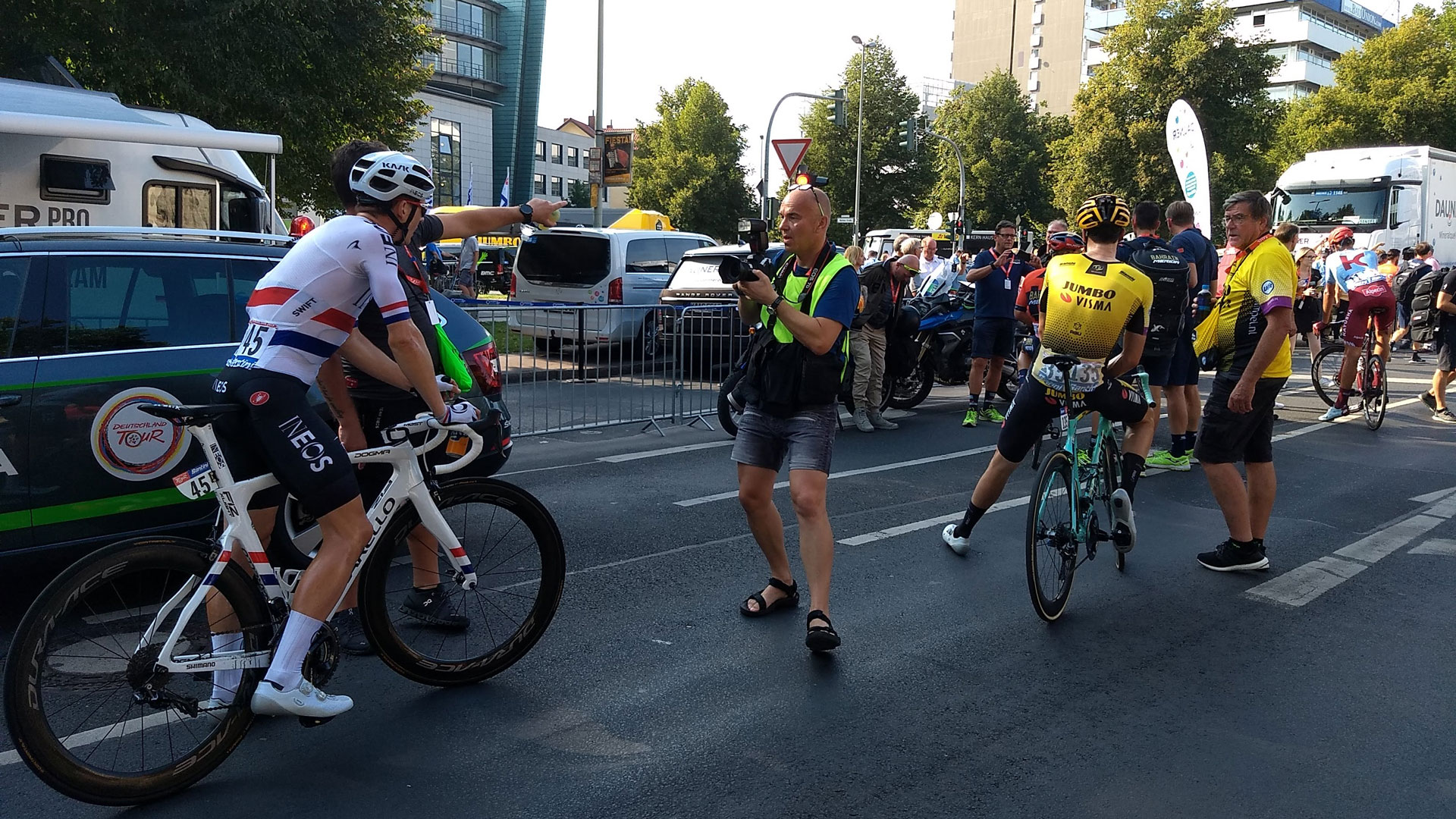

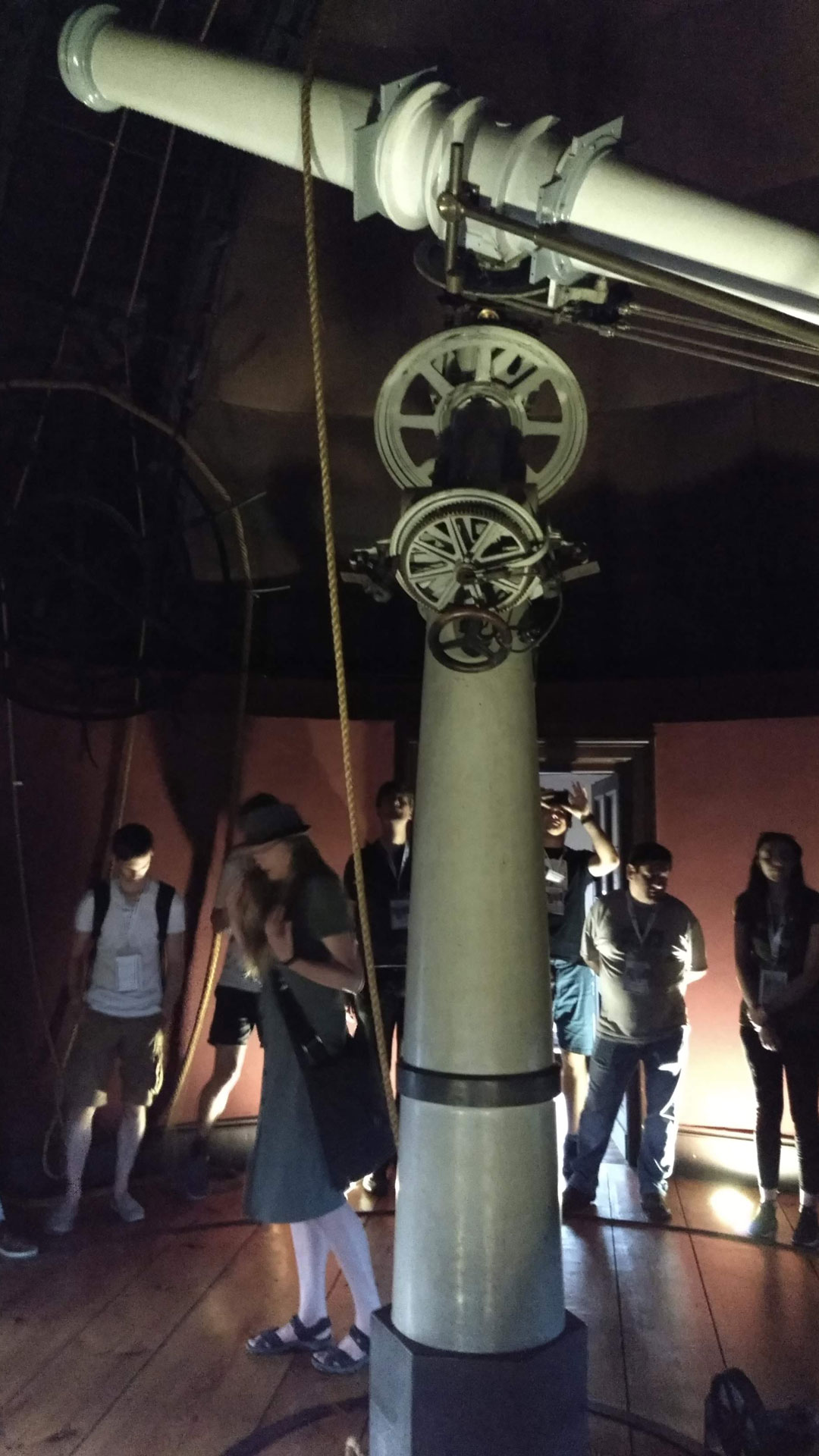
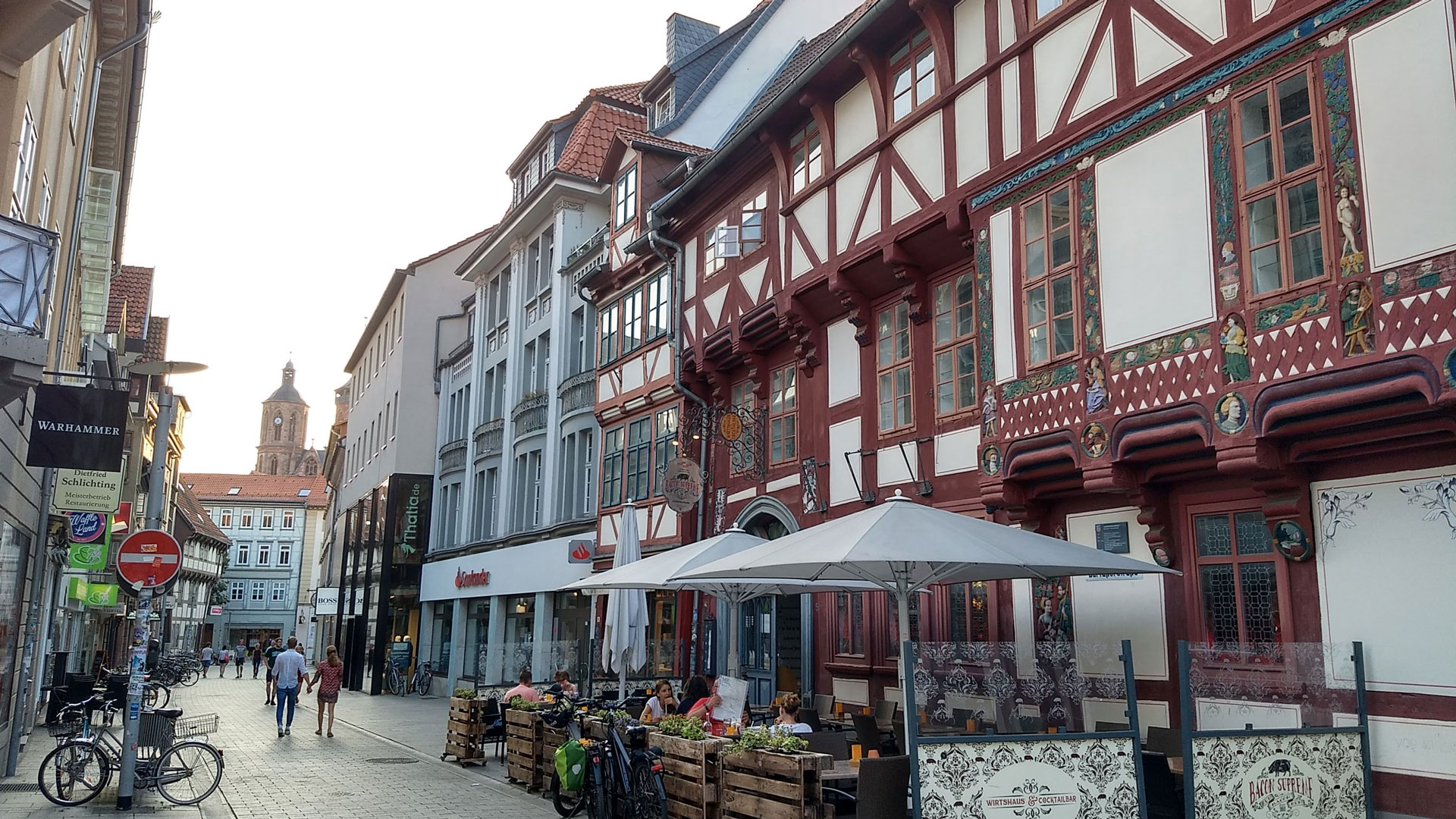
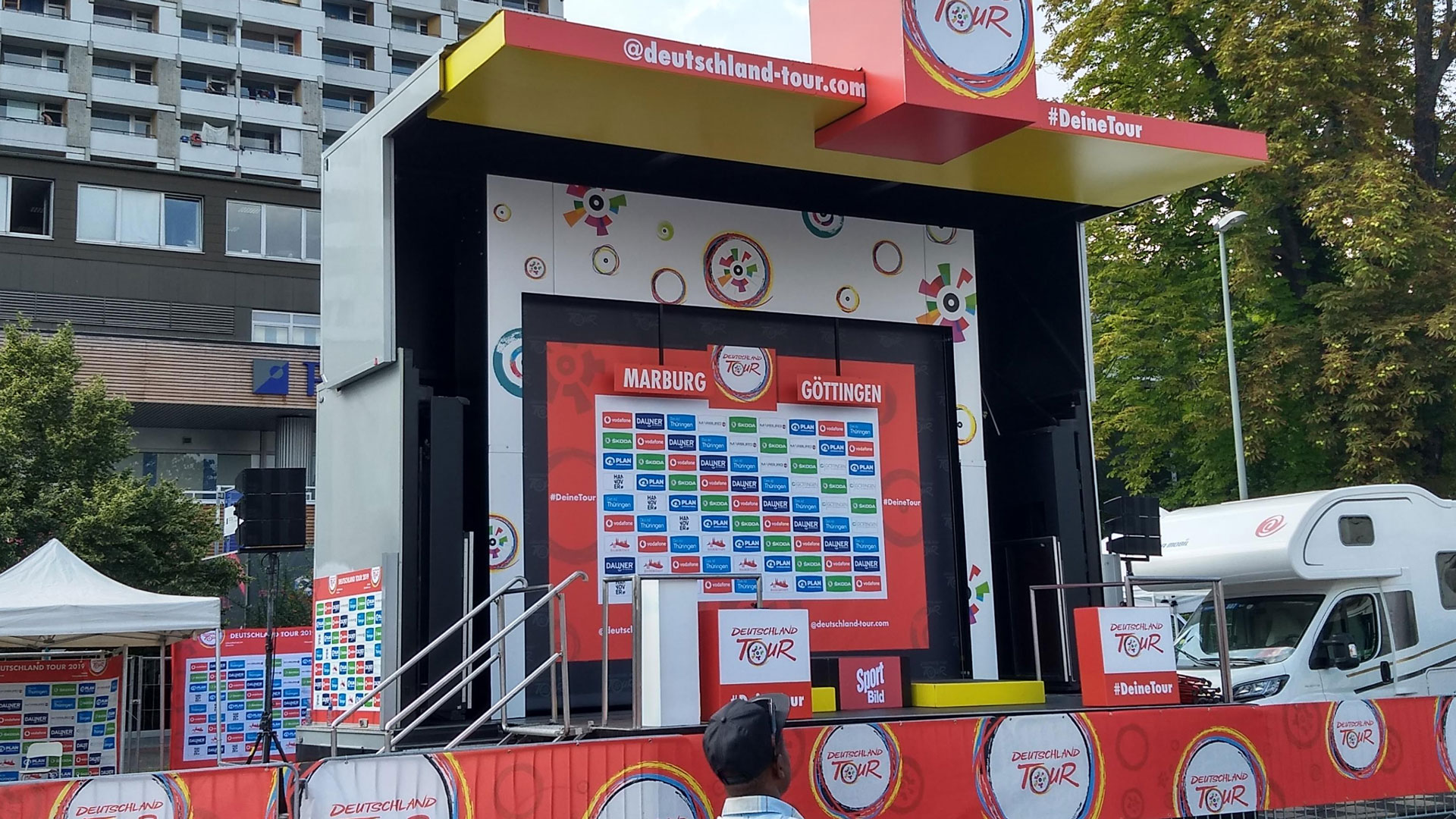
On August 26–30, 2019, ICL’s Asim YarKhan was in Göttingen, Germany for the 2019 European Conference on Parallel Processing (Euro-Par 2019). Euro-Par, which is also celebrating its 25th anniversary this year, covers all aspects of parallel and distributed processing.
For his part, Asim presented a paper on the SLATE implementation of “Linear Systems Solvers for Distributed Memory Machines with GPU Accelerators,” coauthored by Jakub Kurzak, Mark Gates, Ali Charara, Ichitaro Yamazaki, and Jack Dongarra.
Göttingen is where Carl Friedrich Gauss did most of his work, so—during his presentation—Asim apparently made a quip about how we are still solving Ax = b using the matrix form of Gaussian elimination. This insight was met with knowing nods and palpable interest. Asim also took a tour that revolved around Gauss’s life and work, culminating in a trip to an observatory that was built for Gauss’s use (pictured above).
Asim wasn’t the only familiar face in Göttingen, as UTK’s Michela Taufer presented the first keynote of the conference on the intersection of data analytics and HPC. Also present were ICL alumni Emmanuel Jeannot, Felix Wolf, and Karl Fürlinger in various roles as workshop chairs, committee members, and authors/presenters.
Euro-Par 2020 will be held in Warsaw, Poland.
The Editor would like to thank Asim YarKhan for his contributions to this article.
2019 ICL Retreat

For 2019, the ICL retreat changed things up a bit as we moved to the Park Vista Hotel in Gatlinburg, Tennessee and were joined by members of the Global Computing Laboratory.
The Park Vista’s larger meeting space provided a good platform for two days of talks that covered student projects and summer internships, the lab’s progress in the areas of linear algebra, distributed computing, benchmarking, and performance analysis, along with recaps of administrative procedures.
Serving as a kickoff to the fall semester, the 2019 retreat was more important than ever, as it provided a platform for the dozen-or-so new ICLers to get their bearings and hit the ground running for another great year at ICL!
Recent Releases
ULFM 4.0.1ulfm2.1rc1 Released
ULFM 4.0.1ulfm2.1rc1 is now available. User Level Failure Mitigation (ULFM) is a set of new interfaces for MPI that enables message passing applications to restore MPI functionality affected by process failures. The MPI implementation is spared the expense of internally taking protective and corrective automatic actions against failures. Instead, it can prevent any fault-related deadlock situation by reporting operations whose completions were rendered impossible by failures.
The ULFM v4.0.1ulfm2.1rc1 release is now in sync with the current Open MPI (v4.0.1). Updates to the ULFM component (since 2.0) include:
New Features:
- Added the
MPI_Comm_is_revokedfunction; - Renamed
ftbasiccollective component toftagree; and - Restored the
pcollreqextension.
Bug Fixes:
- Failures of node-local siblings were not always detected, fixed;
- Failure propagation and detection was slowed down by trying to notify known dead processes, fixed;
- Fixed deadlocks in multi-threaded programs;
- Fixed issues with PMPI when compiling Fortran Interfaces; and
- Fixed deadlocks on OS-X.
There are also many changes to Open MPI 4.0.1; please see the Open MPI change log for details.
For more details on the ULFM release, see fault-tolerance.org.
MAGMA 2.5.1 Released
MAGMA 2.5.1 is now available. Matrix Algebra on GPU and Multicore Architectures (MAGMA) is a collection of next-generation linear algebra (LA) libraries for heterogeneous architectures. The MAGMA package supports interfaces for current LA packages and standards (e.g., LAPACK and BLAS) to allow computational scientists to easily port any LA-reliant software components to heterogeneous architectures.
Changes for MAGMA 2.5.1 include:
- Updates and improvements in CMakeLists.txt for improved/friendlier CMake and spack installations;
- Fixes related to MAGMA installation on GPUs and CUDA versions that do not support FP16 arithmetic;
- Added support for Turing GPUs;
- Removed some C++ features from MAGMA Sparse for friendlier compilation (using nvcc and various CPU compilers);
- New routine:
magmablas_Xherk_small_reduce(X = ‘s’, ‘d’, ‘c’, or ‘z’) is a special HERK routine that assumes that the output matrix is very small (up to 32 × 32) and that the input matrix is very tall and skinny.
Click here to download the tarball.
Interview
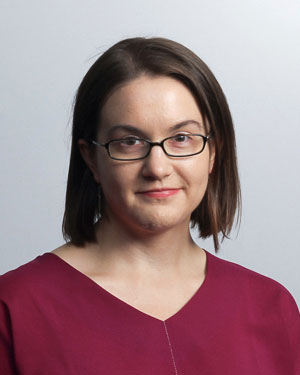
Natalie Beams
Where are you from, originally?
I was born in Illinois and grew up in Wisconsin and Texas.
Can you summarize your educational background?
I have a BS in mechanical engineering from the University of Oklahoma, and MS/PhD in Theoretical & Applied Mechanics from the University of Illinois.
Where did you work before joining ICL?
Before joining ICL, I was a post doc in the Computational and Applied Mathematics department at Rice University in Houston, Texas.
How did you first hear about the lab, and what made you want to work here?
I first heard about ICL through the use of LAPACK software in graduate school. I heard about potential job openings at ICL at the 2019 SIAM Computational Science and Engineering conference. I thought it would be interesting to see the “other side” of things, as it were—where these libraries and tools I knew from a user standpoint were being created and improved.
What is your focus here at ICL? What are you working on?
To start, I will be working on integration of ICL libraries with application codes for the PEEKS and CEED projects. This is due to my background in numerical methods and previous work on application codes in graduate school and during my postdoc.
What are your interests/hobbies outside of work?
I really enjoy music and love playing the flute. (I like playing the piano, too, but sadly, I don’t own one.) I also like reading and doing crossword puzzles.
Tell us something about yourself that might surprise people.
My last semester of undergrad, I only had nine hours left of required courses but needed twelve hours to be classified as a full-time student. I decided to take “Intro to Martial Arts” and “Ballroom Dancing I” as my extra three hours. Both were pretty outside my comfort zone (and still mostly are) but overall, I had a blast!
If you weren’t working at ICL, where would you like to be working and why?
Maybe NASA? Like many people, I briefly wanted to be an astronaut when I was around eight years old. While I was in Houston, I got to visit NASA, and it was very inspiring.