UNM to Celebrate Dongarra
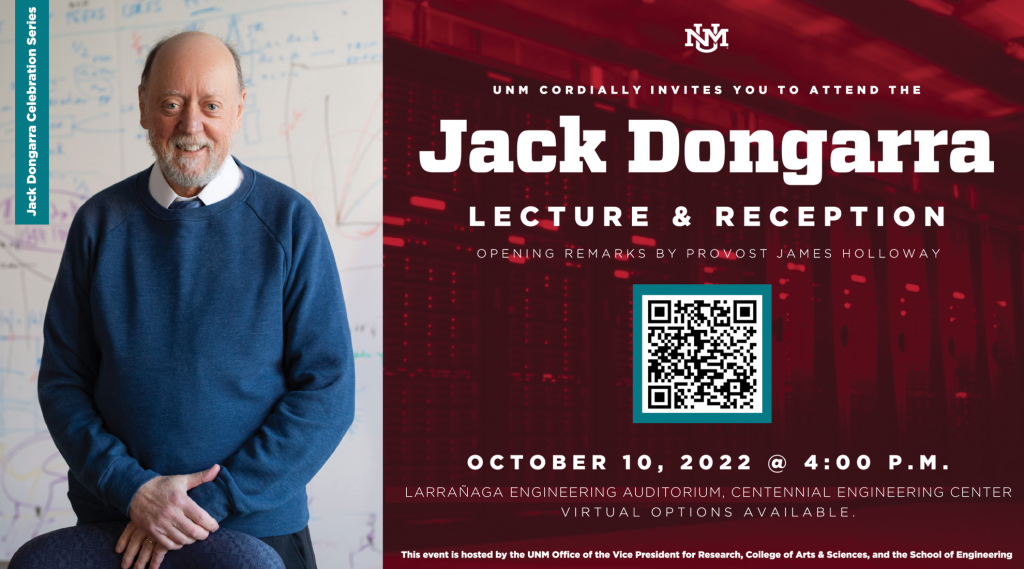 The University of New Mexico is planning a celebration on Monday, Oct. 10, in honor of alumnus Jack Dongarra, the recipient of the 2021 The Association for Computing Machinery (ACM) A.M. Turing Award, often referred to as the “Nobel Prize of computing.”
The celebration will include events for students, faculty, staff, and alums.
The following events are planned for the Dongarra celebration:
Noon – Student Q&A. SUB Ballroom C
4 p.m. – Lecture. Larrañaga Engineering Auditorium, Centennial Engineering
Center.
5:30 p.m. – Reception. Stamm Commons, Centennial Engineering Center
The Student Q&A will include lunch (provided) with Dongarra and an opportunity to ask the A.M. Turing Award winner any questions about the industry of computer science technology, his contributions to the field, and more. Reservations are required. RSVP by Oct. 8 at 5 p.m.
The title of Dongarra’s lecture is “A Not So Simple Matter of Software.” In the talk, he will examine how high-performance computing has changed over the last 40 years and look toward future trends.
More information: http://engineering.unm.edu/dongarra/
Dongarra Gives Lecture at HLF
On September 22nd, Jack Dongarra gave a lecture at the 9th Heidelberg Laureate Forum. Each year the recipients of the most prestigious awards in mathematics and computer science, the Abel Prize, ACM A.M. Turing Award, ACM Prize in Computing, Fields Medal, IMU Abacus Medal, and Nevanlinna Prize are invited to participate in the Forum.
The Heidelberg Laureate Forum (HLF) is a networking conference where 200 carefully selected young researchers in mathematics and computer science spend a week interacting with the laureates of the disciplines: recipients of the Abel Prize, ACM A.M. Turing Award, ACM Prize in Computing, Fields Medal, IMU Abacus Medal, and Nevanlinna Prize. Established in 2013, the HLF is annually organized by the Heidelberg Laureate Forum Foundation (HLFF).
This year’s forum took place between September 17 – 23rd in Heidelberg
Germany.
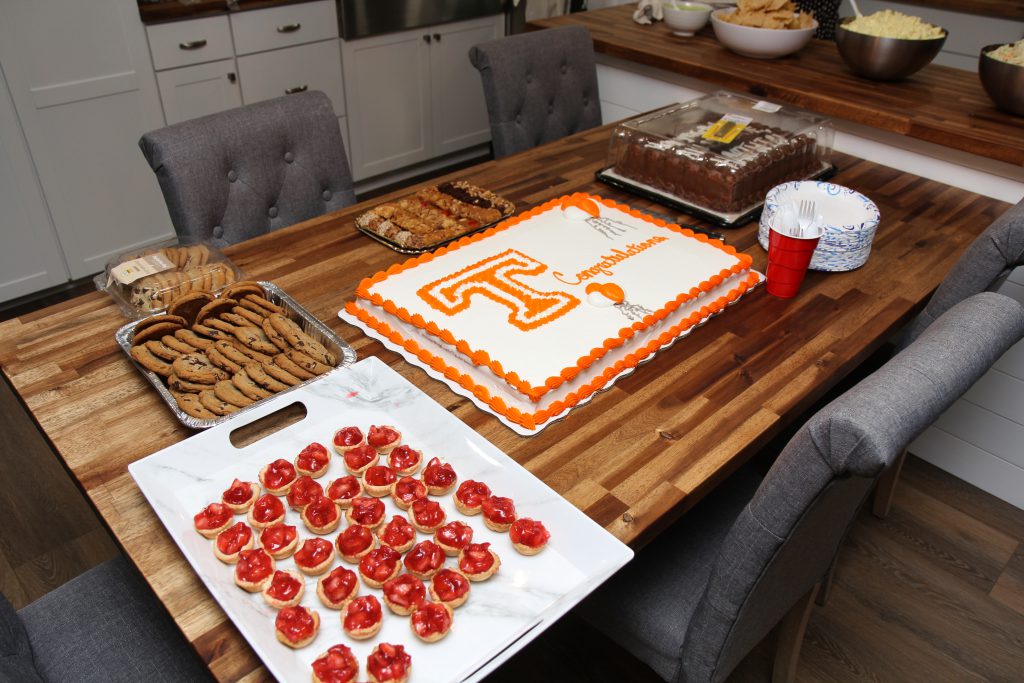
A Housewarming for Hartwig

Cheers from Karlsruhe
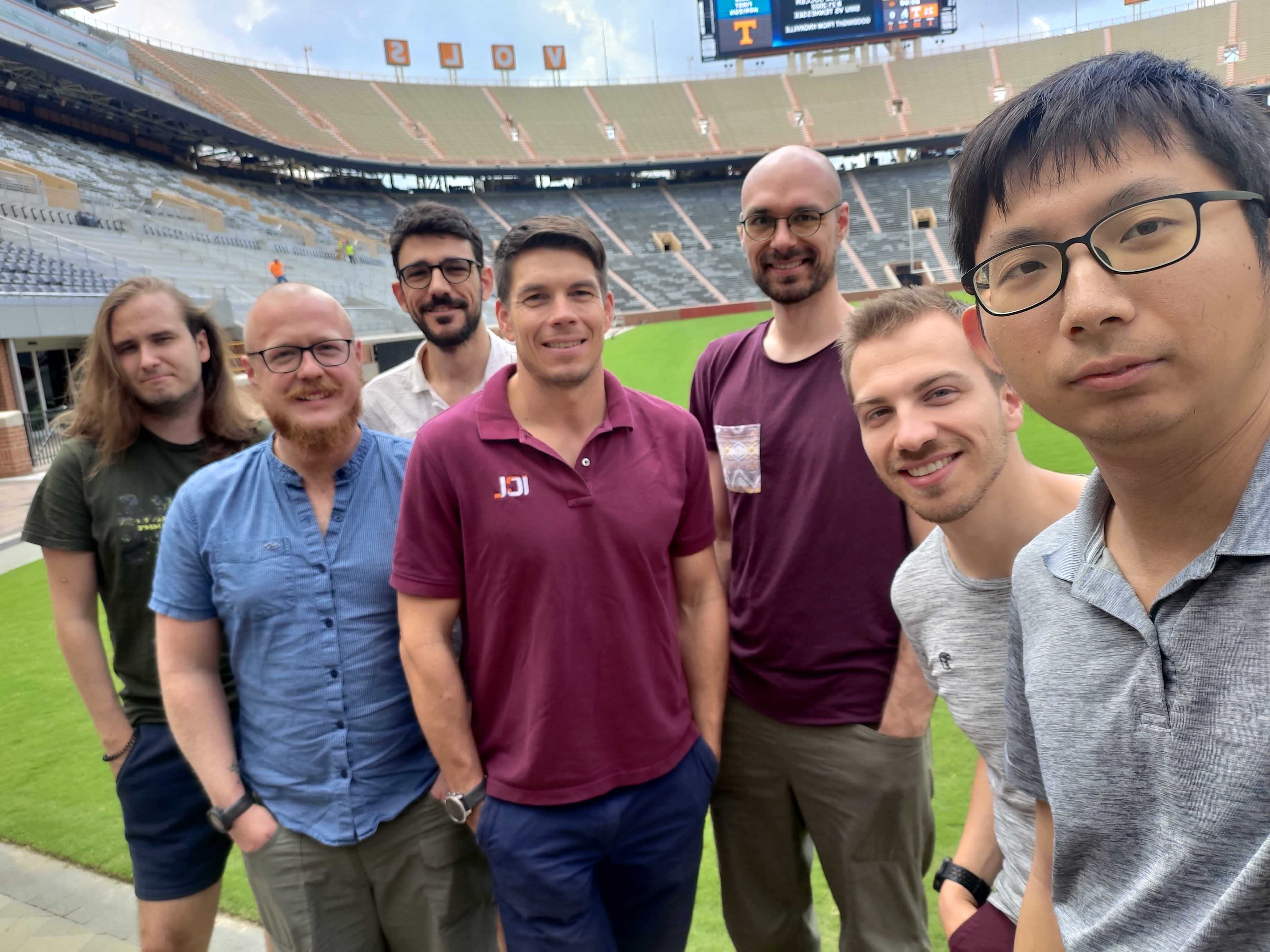
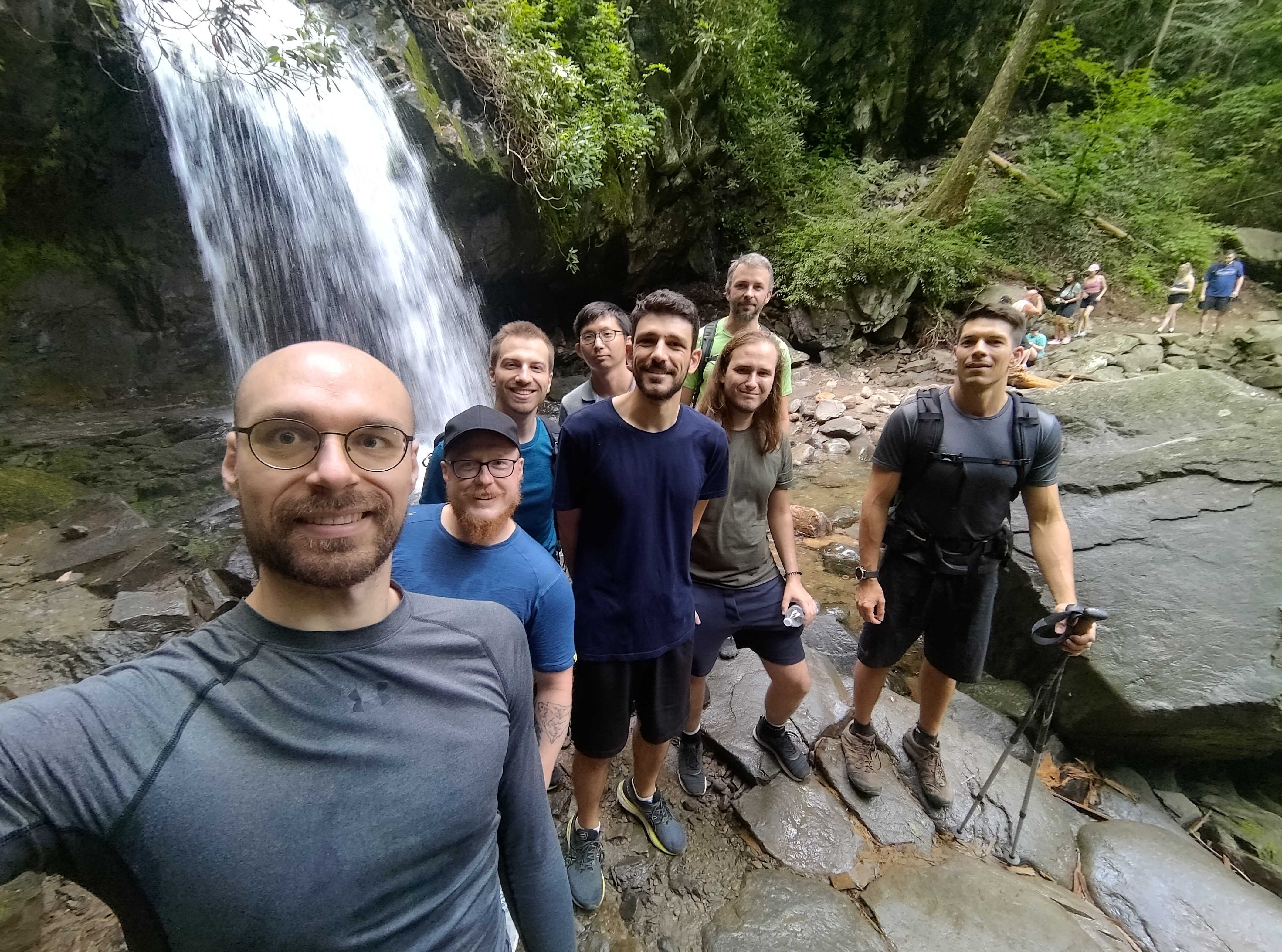
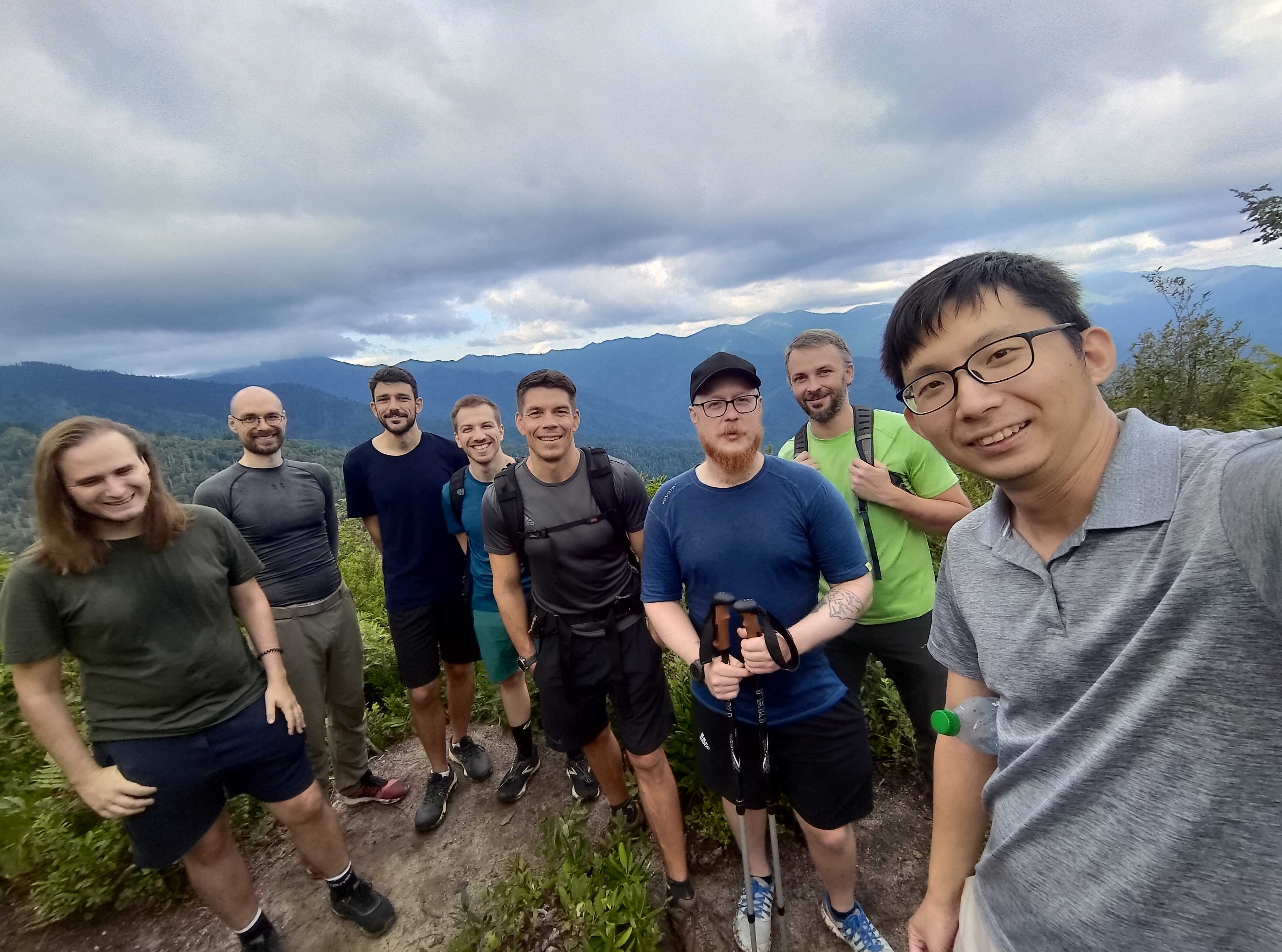
Fritz Goebel of Karlsruhe Institute of Technology composed a recap of his group’s recent visit to ICL:
After having to cancel our planned visit in 2020 due to Covid, we, a group of 5 Ph.D. students (Claudius, Fritz, Mike, Thomas, and Vasilis) and one postdoc (Marcel) from the Karlsruhe Institute of Technology in Germany, finally got the chance to visit ICL for a few weeks this August.
Hartwig had just left Karlsruhe to take on his new position as ICL’s director a few days before, and we were looking forward to a quick reunion in the States. After each taking a different trip to Knoxville we moved into an Airbnb on South Gay St, our base for the upcoming weeks. Our stay was off to a great start with a first day at ICL with a warm welcome and a first dinner downtown before we got to spend a few great days at the retreat in Gatlinburg filled with hiking and lots of interesting talks and discussions. For the remainder of our stay, various additional hikes, shenanigans like whitewater rafting and mountain biking, lunches and dinners with many friendly ICLers as well as early morning swim and gym sessions with Hartwig made for a great time.
We had a great time finally meeting a lot of people we so far only knew as little windows in ECP calls in person. Thank you very much to everyone at ICL for having us and making us feel like part of the family, some of us are already planning to come back for a while in 2023. A special thank you to Joan, Leighanne, and Teresa for organizing everything from on-site parking to pool and gym access for us!
Conference Reports
ICL at PPAM 2022
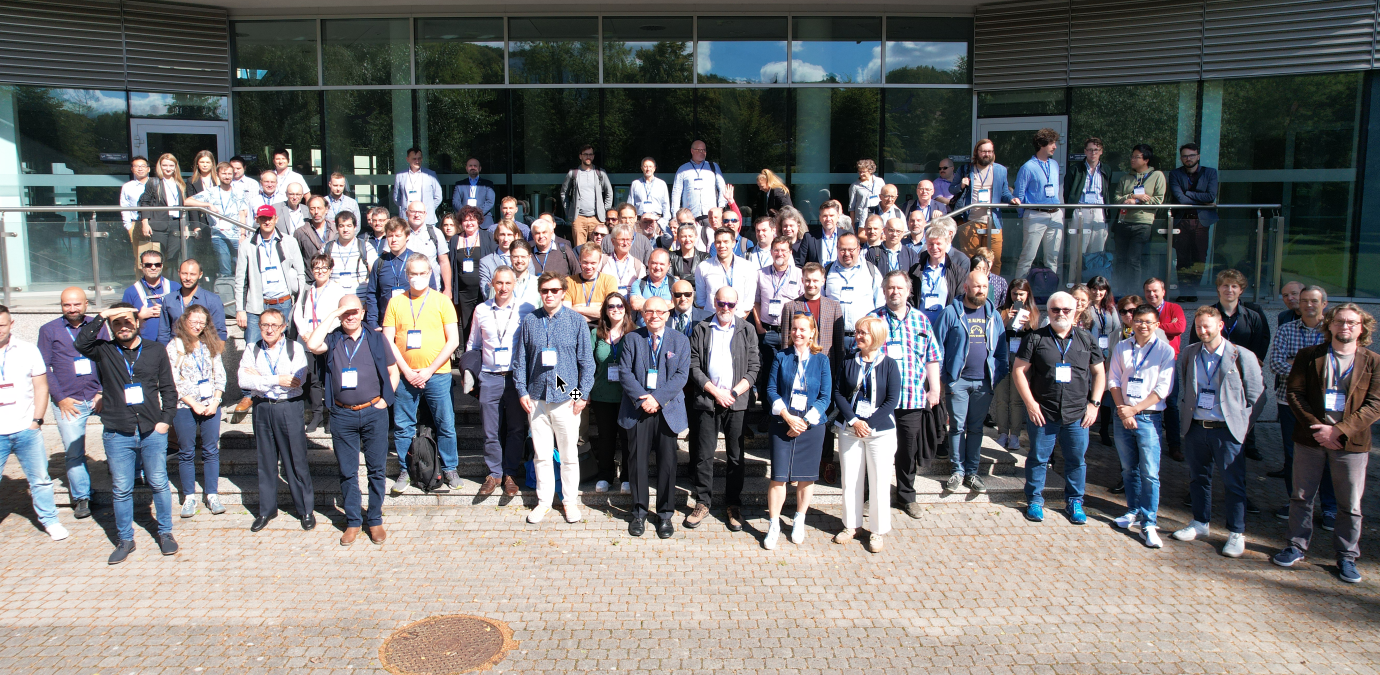
Members of ICL attended and presented at PPAM 2022 in Gdansk, Poland, between September 11-14, 2022. ICL director Hartwig Anzt and former director Jack Dongarra gave keynote talks titled Lossy Compression and Mixed Precision Strategies for Memory-Bound Linear Algebra and Where We Are Today And A Look Into The Future, respectively. The 14th International Conference on Parallel Processing and Applied Mathematics also saw ICL members bring home the award for the best paper with Natalie Beams and Hartwig Anzt’s Mixed Precision Algebraic Multigrid on GPUs.
The PPAM 2022 conference covered topics in parallel and distributed computing, including theory and applications, as well as applied mathematics. The discussion focused on models, algorithms, and software tools that facilitate efficient and convenient utilization of modern parallel and distributed computing architectures and large-scale applications, including artificial intelligence and machine learning problems. Special attention was given to the future of computing beyond Moore’s Law.
PPAM is a biennial conference started in 1994, with the proceedings published by Springer in the Lecture Notes in Computer Sciences series. The PPAM Proceedings are indexed in Web of Science, Scopus, and DBLP.
Best Paper Award

ICL members Natalie Beams and Hartwig Anzt (along with KIT’s Yu-Hsiang “Mike” Tsai) took home the Best Paper Award at PPAM2022 with their work, Mixed Precision Algebraic Multigrid on GPUs. The paper introduces Ginkgo’s algebraic multigrid (AMG) solver and demonstrates its platform portability on NVIDIA, AMD, and Intel GPUs. The authors compare the performance of Ginkgo to NVIDIA’s AmgX (on an NVIDIA GPU) and LLNL’s Hyper (on NVIDIA and AMD GPUs). This work demonstrates that, unlike the comparison libraries, Ginkgo’s AMG is flexible in allowing mixed-precision usage, such that users can apply different precisions on different levels of the multigrid. They provide use case demonstration of double precision at the top level (which interacts with the input/output of your solver or application) and single precision at all other levels. This can improve performance compared to using double precision for everything. Additionally, AMG is tested as a preconditioner within MFEM (for comparison with AmgX, also available through MFEM) and as a stand-alone solver. Several matrices from SuiteSparse are used for the stand-alone tests, in addition to two exported MFEM problems.
CCDSC 2022
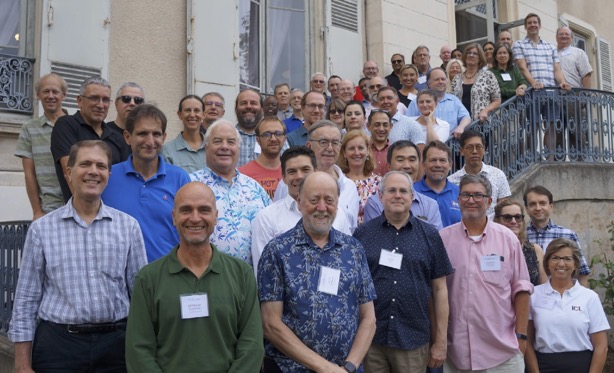
The Workshop on Clusters, Clouds, and Data for Scientific Computing (CCDSC 2022) took place between September 6th – 9th, 2022 in Chemin de Chanzé, France. ICL members George Bosilca, Hartwig Anzt, Piotr Luszczek, Joan Snoderly and Jack Dongarra attended the event. The workshop was a continuation of a series of workshops started in 1992 entitled Workshop on Environments and Tools for Parallel Scientific Computing. These workshops have been held every two years and have between held in the U.S. and France. The purpose of this workshop, which is by invitation only, was to evaluate the state-of-the-art and future trends for cluster computing and the use of computational clouds for scientific computing.
The workshop addressed several themes for developing and using cluster and computational clouds. In particular, the talks sought to:
- Survey and analyze the critical deployment, operational, and usage issues for HPC, clusters, and clouds, mainly focusing on discontinuities produced by multicore and hybrid architectures, data-intensive science, and the increasing need for wide-area/local area interaction.
- Document the current state-of-the-art in each area, identifying interesting questions and limitations. Experiences with clusters, clouds, and grids relative to their science research communities and science domains benefitting from the technology.
- Explore interoperability among disparate clouds, interoperability between various clouds, and the impact on the domain sciences.
- Explore directions for future research and development against the background of disruptive trends and technologies and the recognized gaps in the current state-of-the-art.
Speakers presented their research and interacted with all the participants on the future software technologies that will provide for easier use of HPC and cloud-based computing.
The workshop was made possible thanks to sponsorship from NSF, AMD, Nvidia, Intel, HPE, Samsung, STFC, ICL/UT, Vanderbilt University, Ansys, and Grenoble Alps University.
ICL Mobs JLESC

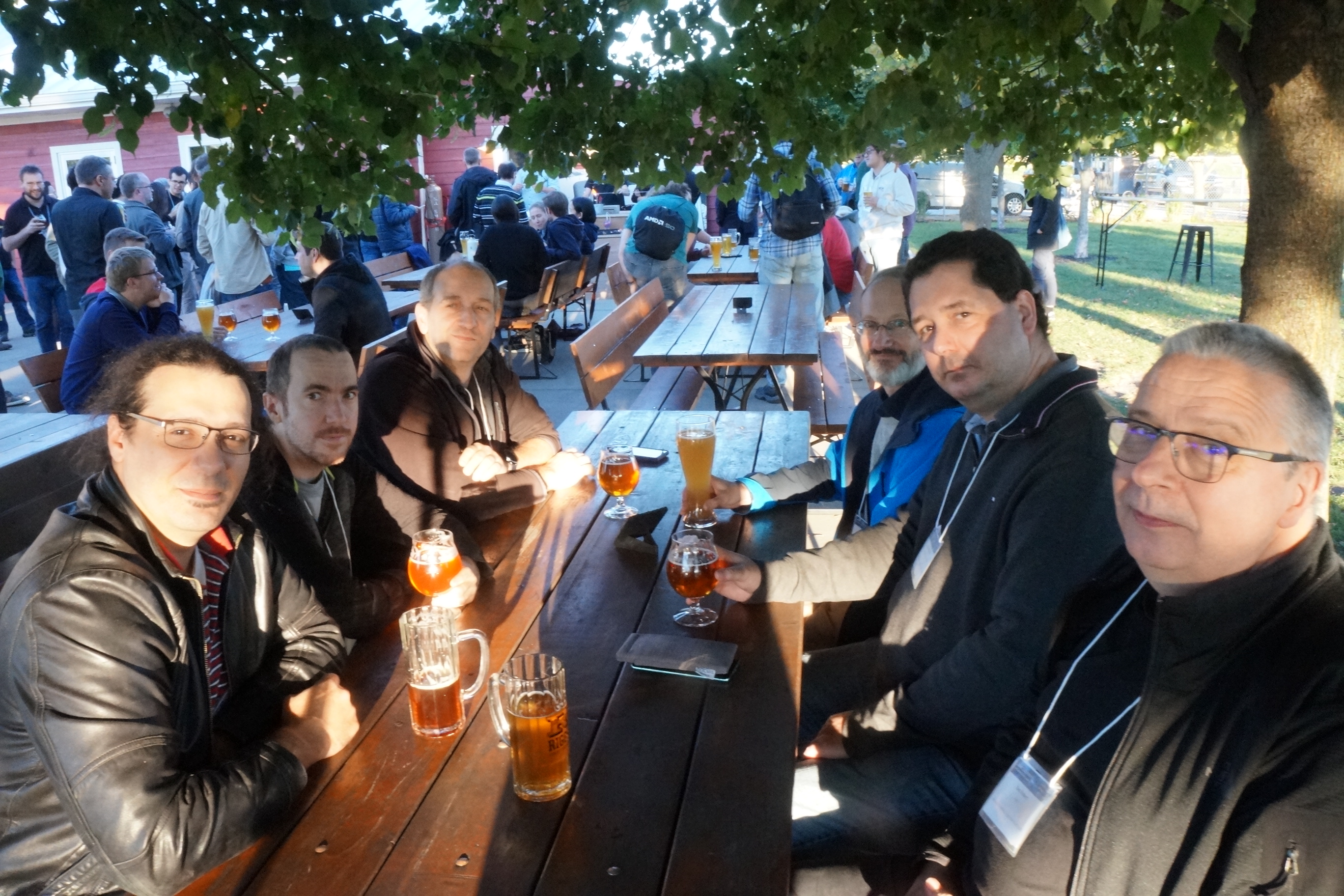
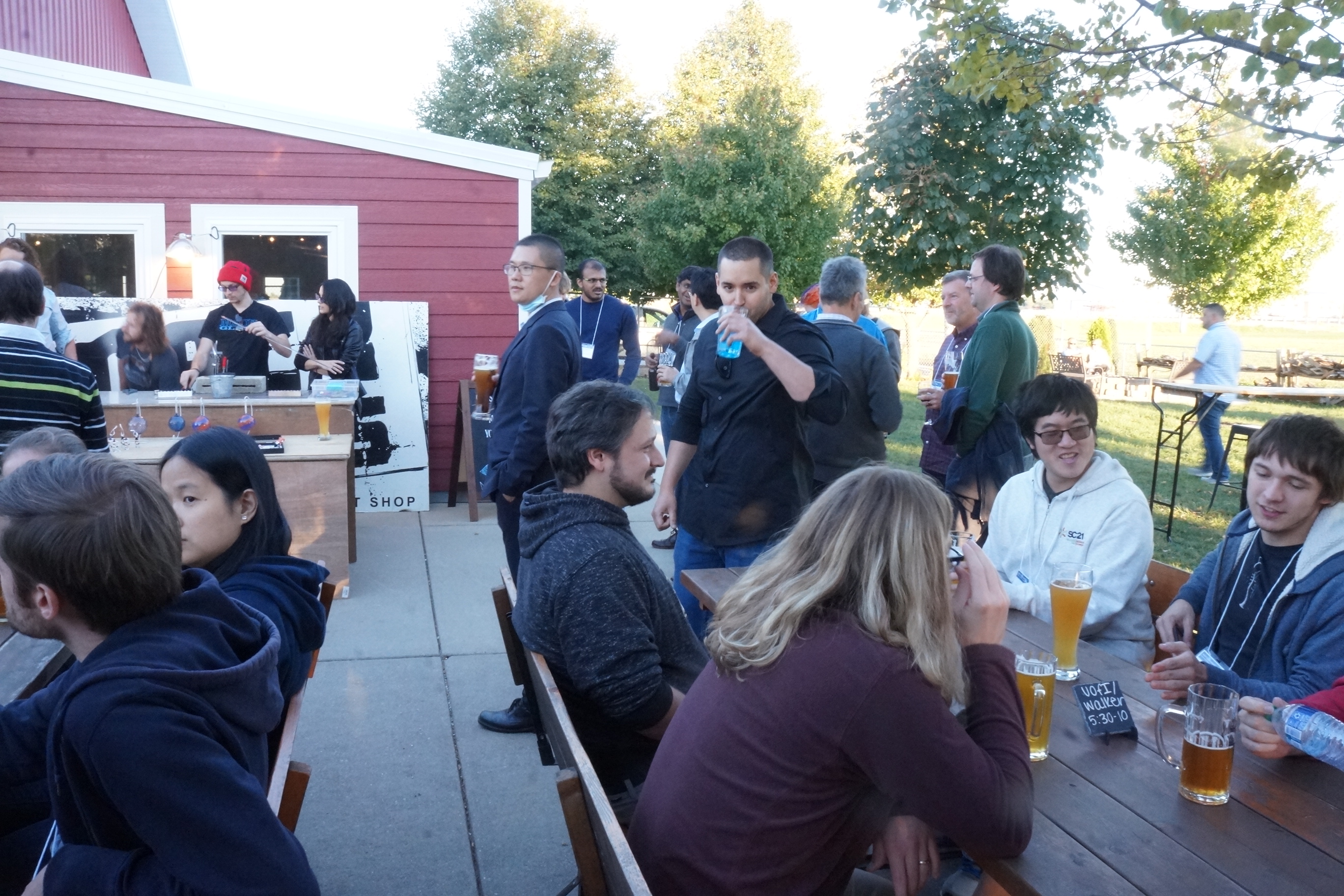
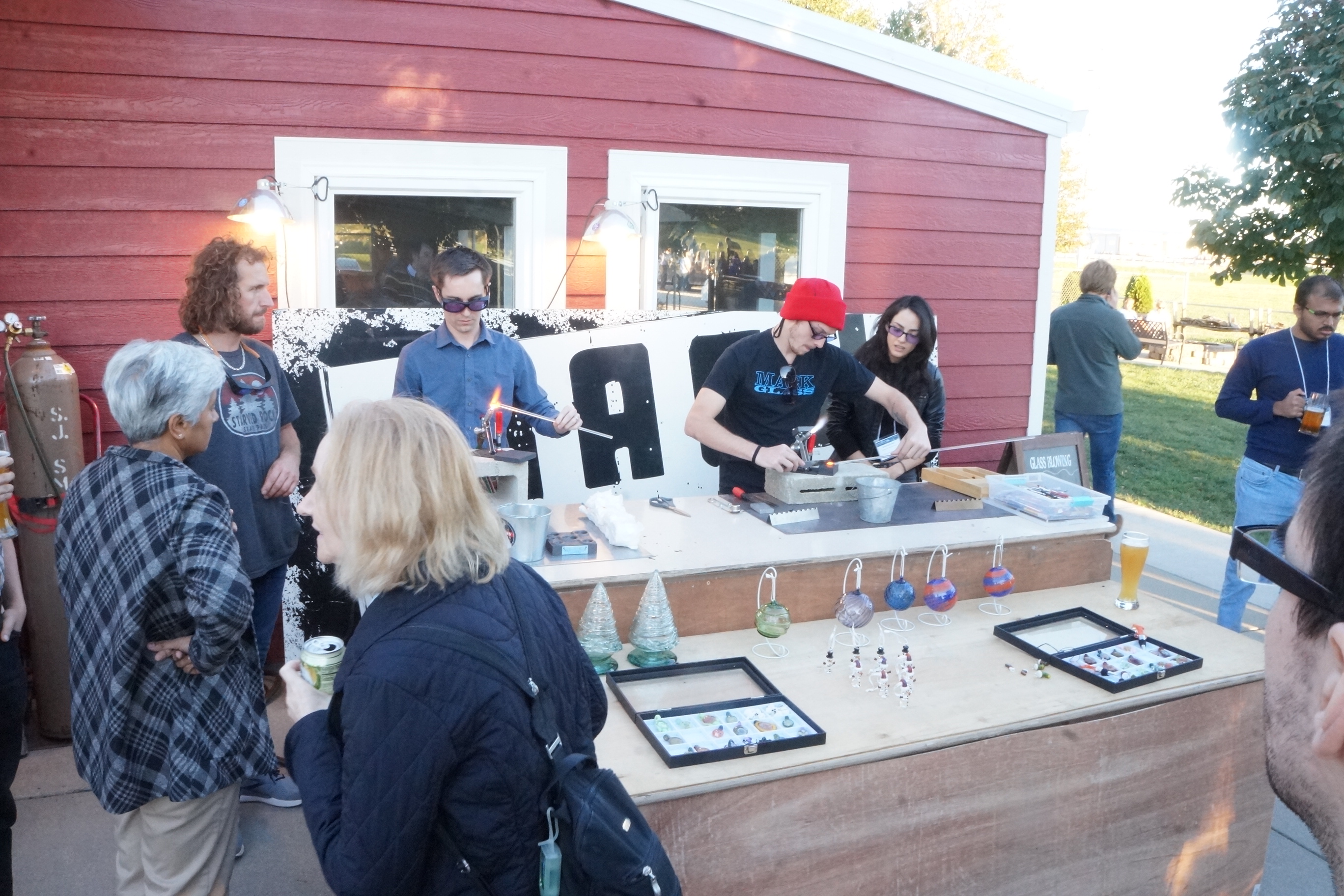
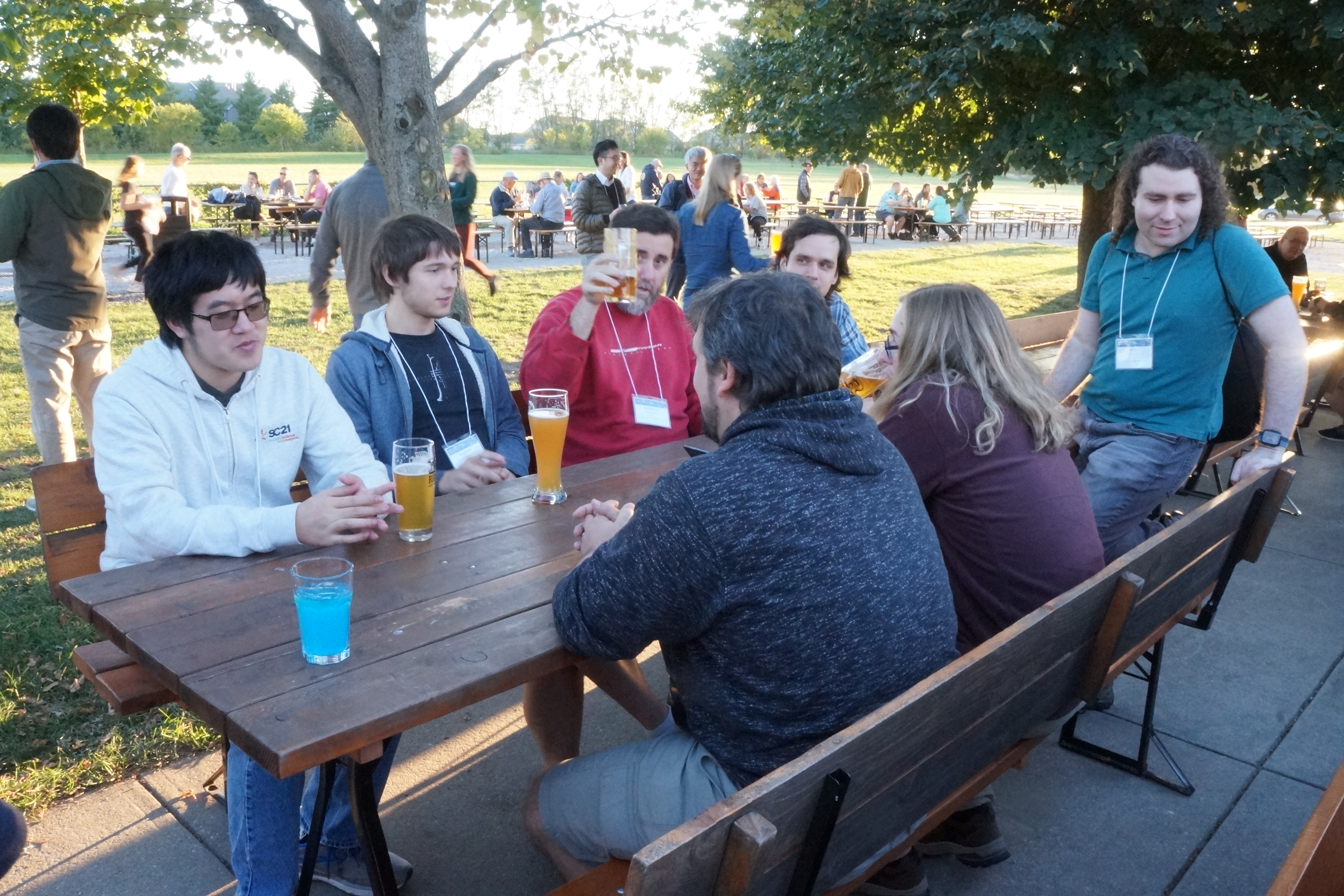
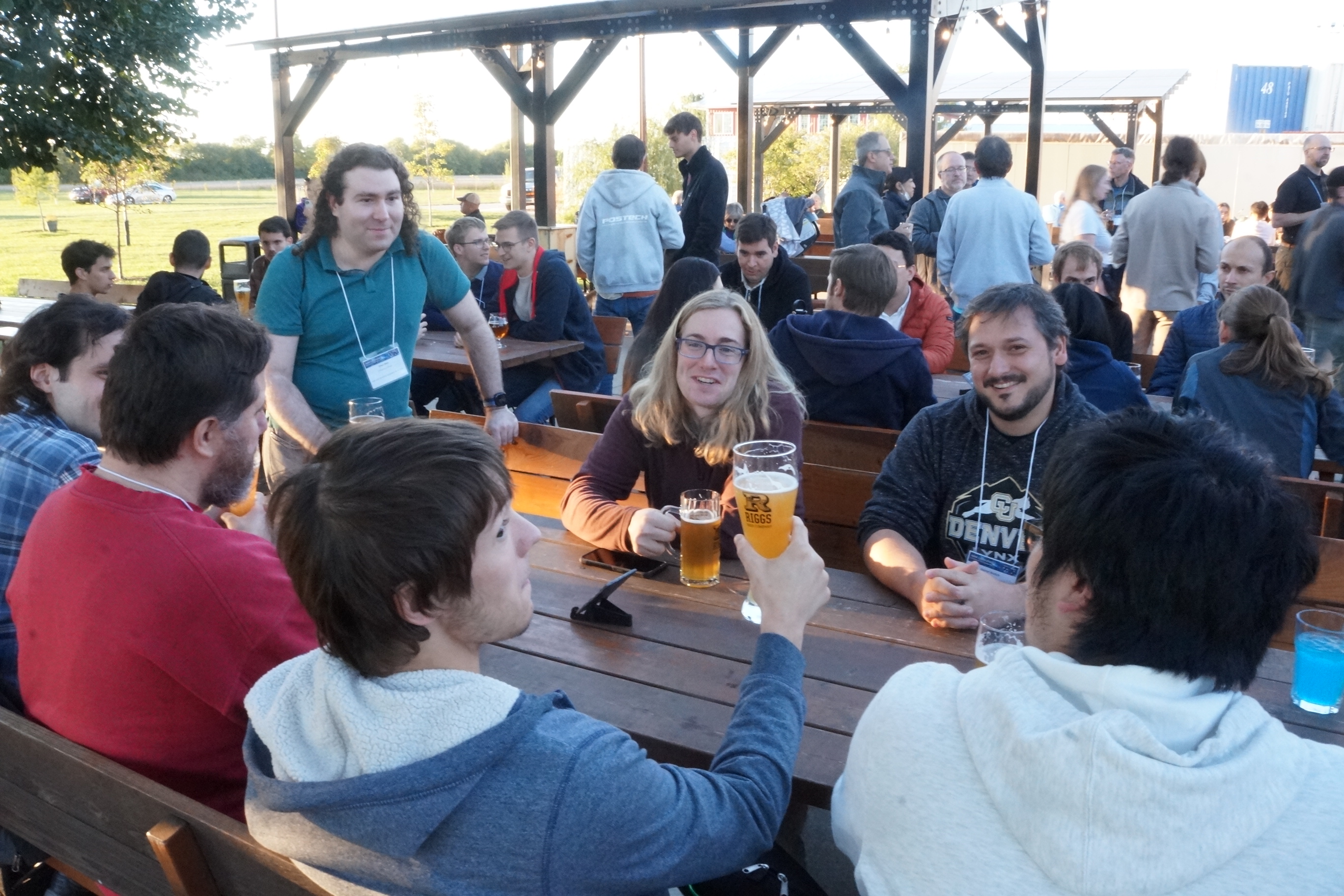

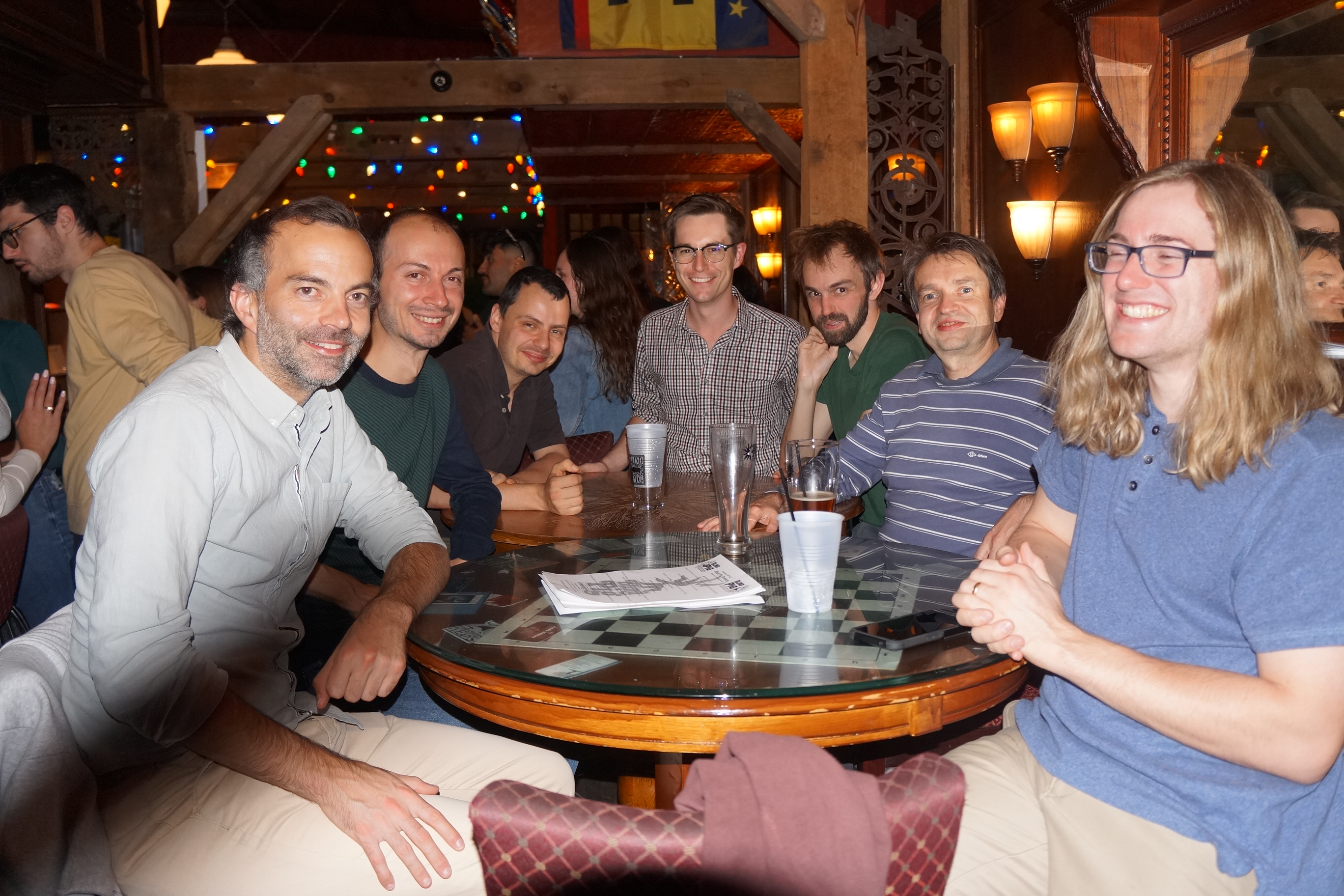
A large contingent of ICLers attended and presented at the 14th JLESC Workshop between September 28 – 30, 2022, in Urbana, IL. The workshop gathered leading researchers in high-performance computing from the JLESC partners INRIA, the University of Illinois, Argonne National Laboratory, Barcelona Supercomputing Center, Jülich Supercomputing Centre, RIKEN R-CCS, and The University of Tennessee to explore the most recent and critical issues in advancing the field of HPC from petascale to the extreme scale era.
The workshop featured sessions on these seven central topics:
- Applications and mini-apps
- Parallel Programming Models and runtime
- Performance tools
- Resilience
- Big Data, I/O, and in-situ visualization
- Numerical methods and algorithms
- Advanced architectures
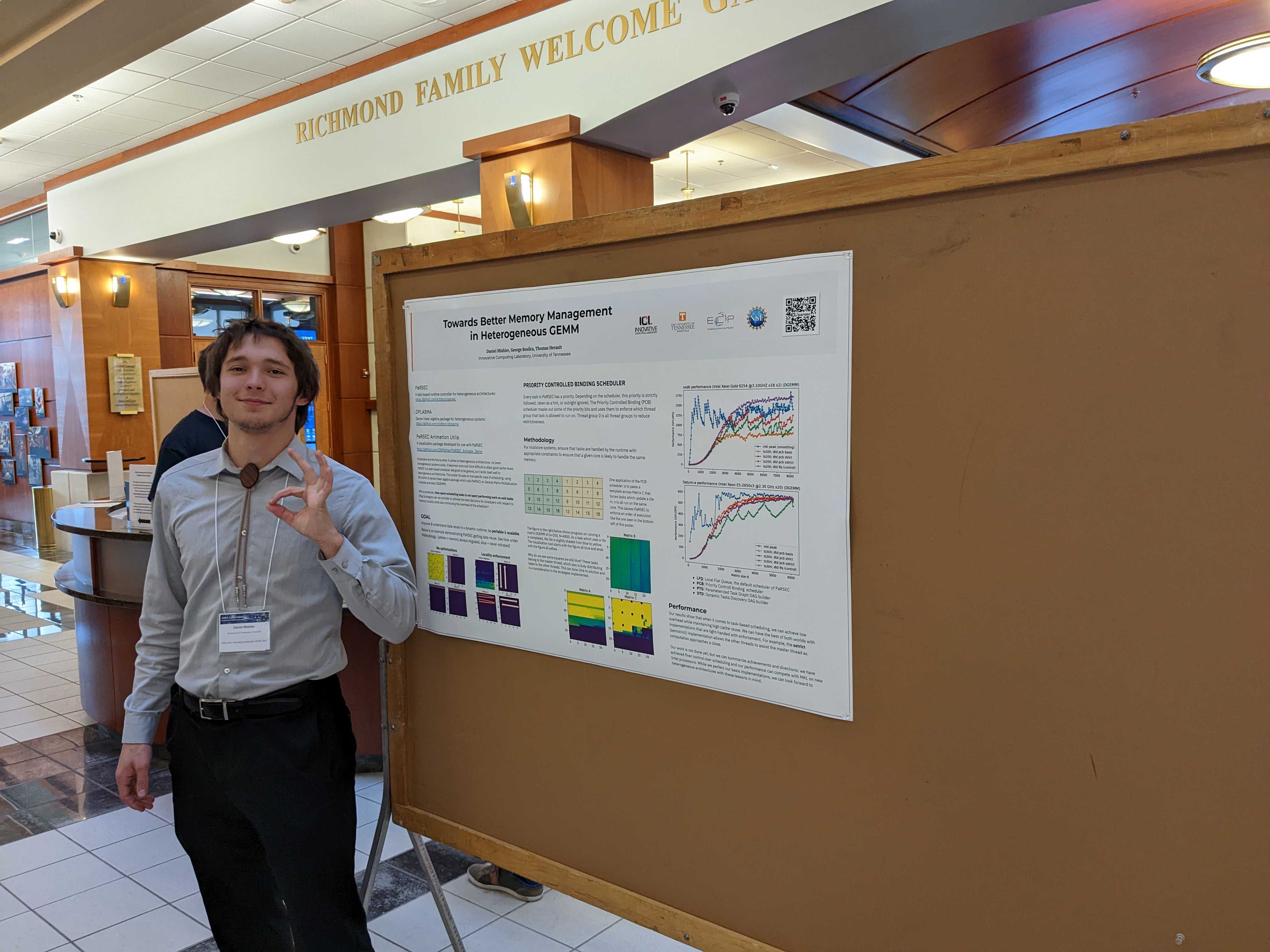 Daniel Mishler presented his poster “Towards Better Memory Management in Heterogeneous GEMM“.
In addition, the workshop hosted dedicated sessions on computational fluid dynamics, computational biology, and climate/weather research. The key objective of the workshop was to identify new research collaborations and establish a roadmap for their implementation.
Serving educational duties, the workshop was open to Illinois, INRIA, ANL, BSC, JSC, Riken R-CCS, UTK faculty, researchers, engineers, and students who wanted to learn more about Post-Petascale / Pre-Exascale Computing.
IEEE Cluster 2022
ICL members Joseph Schuchart and Stanimire Tomov attended the IEEE Cluster 2022 between September 6-9, 2022, in Heidelberg, Germany.
The IEEE Cluster Conference served as a major international forum for presenting and sharing recent accomplishments and technological developments in the field of cluster computing as well as the use of cluster systems for scientific and commercial applications. Cluster 2022 involved participants (researchers, developers, and users) from academia, industry, laboratories, and commerce, coming together to discuss recent advances and trends in, but not limited to:
- Applications, Algorithms, and Libraries
- Architecture, Networks/Communication, and Management
- Programming and Systems Software
- Data, Storage, and Visualization