ICL Breaking New Ground with NSF-funded SPADE Project
ICL is breaking new ground with SPADE, an NSF-funded “Frameworks” project titled “Scalable Performance and Accuracy analysis for Distributed and Extreme-scale systems (SPADE).” ICL leads this collaborative project with Heike Jagode as the PI and Anthony Danalis as co-PI. The project also involves partnerships with the University of Maine (co-PI: Vince Weaver) and the University of Texas, El Paso (co-PIs: Shirley Moore and Christoph Lauter). Spanning four years, the project commenced on September 15th, 2023, with a total budget of $3.5M (ICL’s share is $2.1M).
The SPADE project is dedicated to enhancing monitoring, optimization, evaluation, and decision-making functions for extreme-scale systems, catering to the needs of the High-Performance Computing (HPC) and scientific applications communities. As HPC resources evolve towards extreme scale, there’s a growing necessity for integrated frameworks to tackle performance and reliability issues. Through extending support for heterogeneity and scalability across various computing platforms, and employing the established PAPI performance monitoring library, SPADE aims to provide the necessary software and APIs to effectively address the demands of scientific and machine learning applications while exploring new accuracy versus performance trade-offs with low-precision floating-point types.
ICL Alumni Meet Up at Exa-SofT Kickoff Meeting
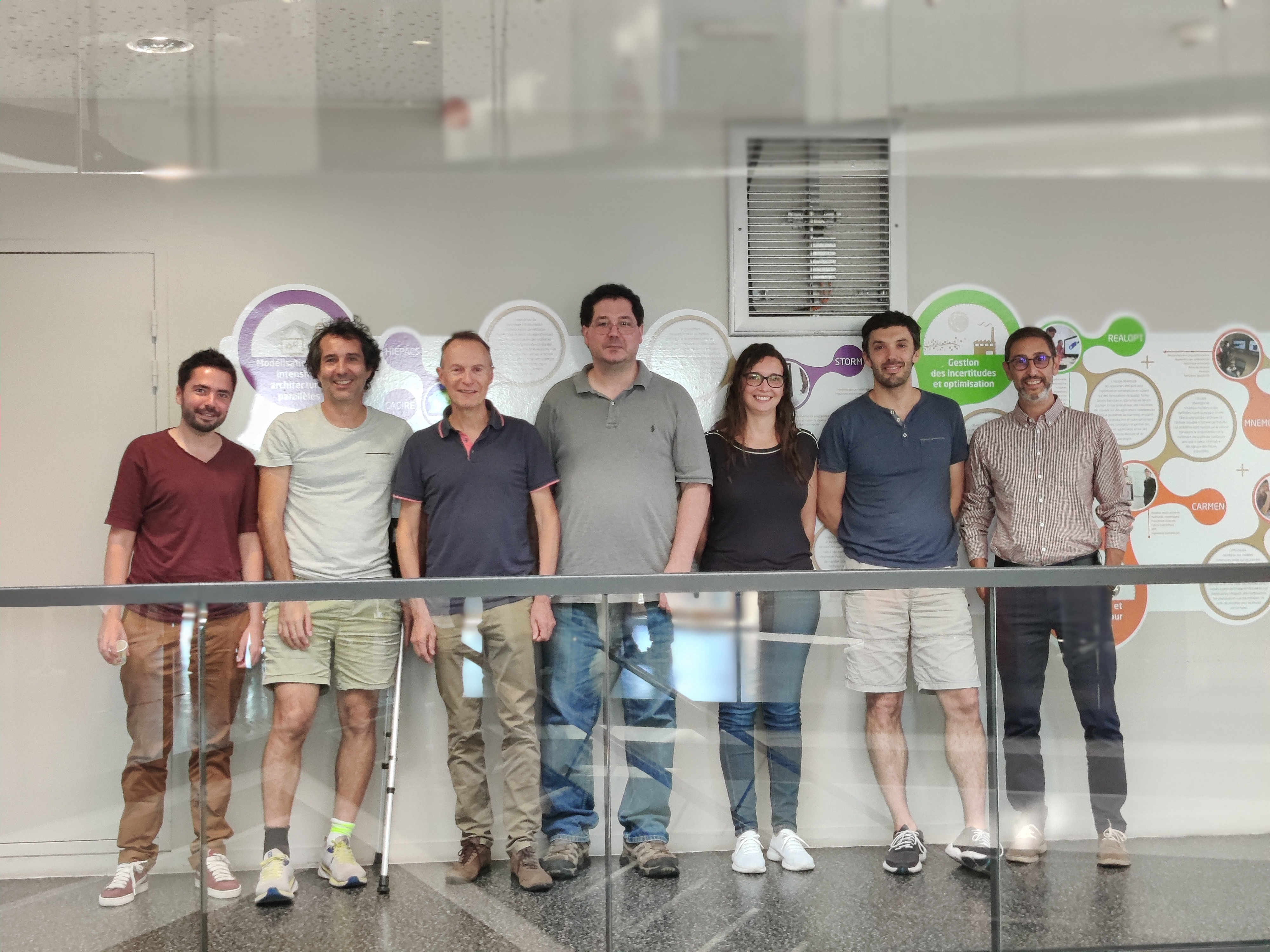
Thomas Herault has been visiting Inria in Bordeaux and the University of Bordeaux, to participate in the juries of the theses of Maxime Gonthier and Gwenole Lucas. During his stay, he attended the Exa-SofT kickoff meeting. Exa-SofT is the Focused Project number 2 of the NumPex initiative. NumPex is the French initiative of the European version of the Exascale Computing Project that just started. They are currently hiring, with a target of 500 person-years over the next 6 years.
Among the 50 participants, there were many ICL alumni (from left to right): Julien Herrmann (IRIT Toulouse), Emmanuel Agullo (Inria), Marc Baboulin (Univ. Paris Saclay), Thomas Herault (ICL/UTK), Amina Guermouche (Univ. Bordeaux), Mathieu Faverge (Univ. Bordeaux), and Alfredo Buttari (IRIT Toulouse). Emmanuel Jeannot (Inria) was also present, but could not join for the photo.
Outdoor Venture Report: Seven Islands State Birding Park


The latest group outdoor venture was to the picturesque Seven Islands State Birding Park, a sprawling 416-acre natural oasis nestled along the banks of the serene French Broad River in Tennessee. Hartwig, Piotr, Geri, Fritz, and Thomas were joined by Camila, Paula, and Andrea on invigorating hikes along well-maintained trails, taking in the calming sounds of the flowing river and the cheerful melodies of various bird species, like the vibrant Eastern Bluebird and the elusive Yellow Warbler. One of the day’s highlights was the pawpaw fruit-picking session, where they discovered that pawpaws, North America’s largest native edible fruit, offer a delightful, custard-like taste reminiscent of a tropical blend of banana, mango, and melon. Energized by their harvest, the group then savored a delectable lunch at the charming old farm house on the property. This excursion was a delightful fusion of nature exploration, learning, and the simple joys of the great outdoors, leaving them inspired to invite others to explore Seven Islands State Birding Park and savor its beauty and the delightful pawpaw treasures for themselves.
HLF Laureate Portraits: Jack J. Dongarra
Ahead of this year’s Heidelberg Laureate Forum, The Heidelberg Laureate Forum Foundation released an interview featuring ICL founder Jack Dongarra, in which Jack reflects on his early upbringing and experiences over his career and discusses the vital role of mentors, his passion for technology and research, and the challenges of securing research funding and retaining talent in academia:
ICL Alumni Spotlight
Vincent Weaver ‘demakes’ video games to teach about computer systems
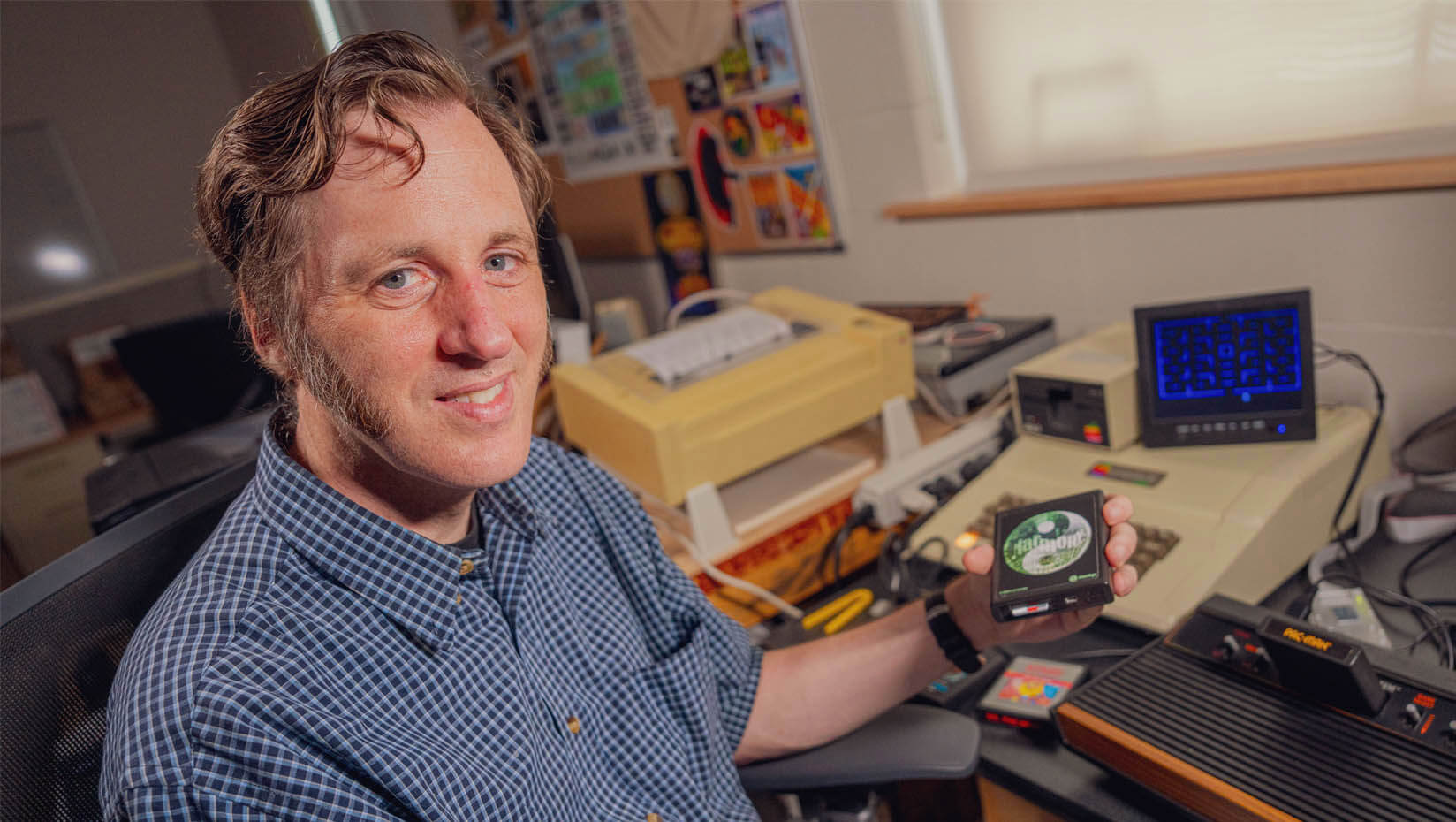 A recent news article from the University of Maine featured ICL alumnus Vince Weaver (ICL 2010-2012) for his work on “de-making” video games. From the article:
Weaver has always been interested in the problem-solving elements of the most extreme computer systems, from supercomputers to microprocessors. Both systems are driven by efficiency; for small processors, efficiency ensures that their tiny batteries can last longer.
“The biggest computers and the smallest computers have a lot in common,” Weaver explains. “We have limited resources — how can we best use them to make a fast computer?”
Weaver’s work was also highlighted by Ars Technica earlier this year.
Conference Reports
2023 Heidelberg Laureate Forum
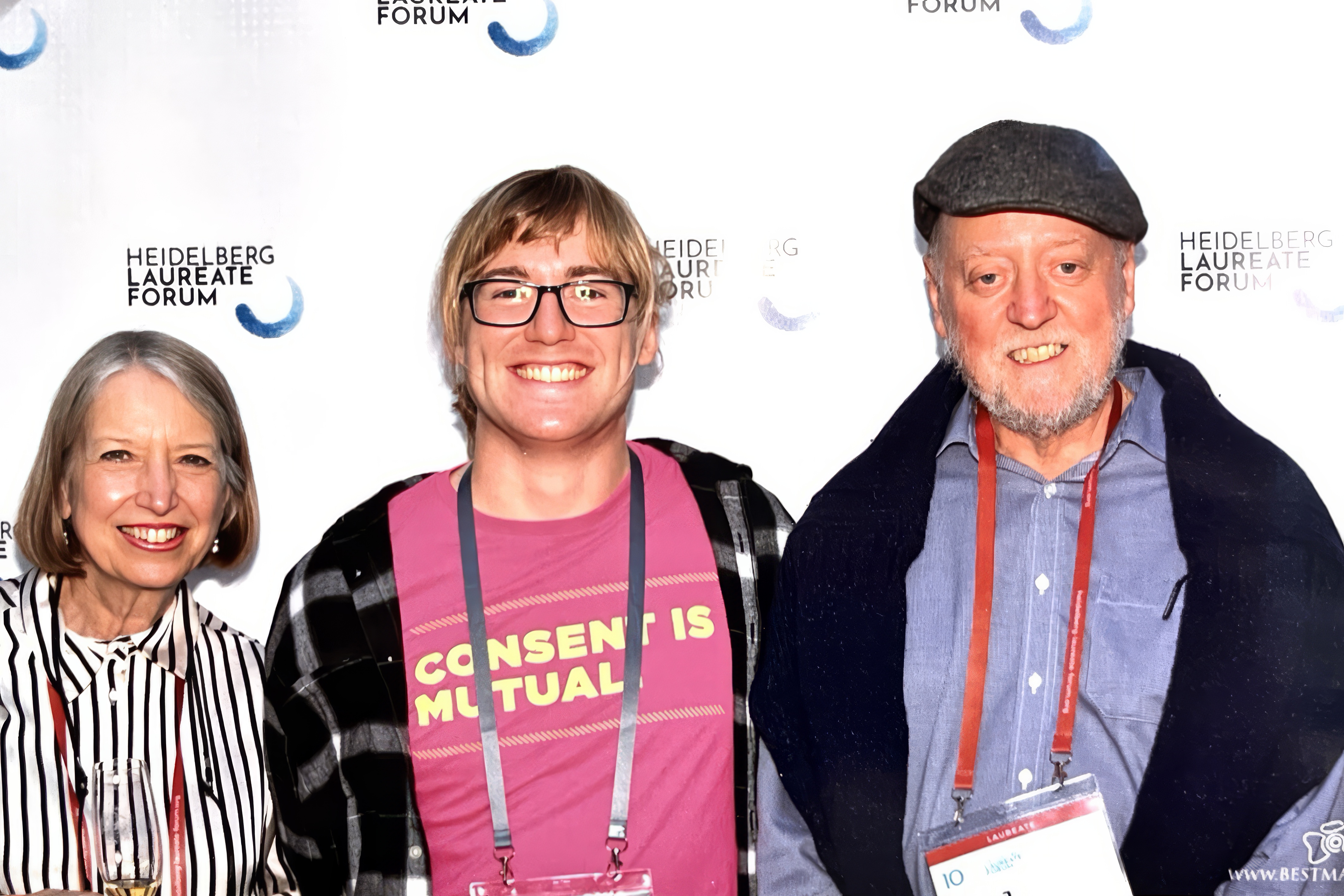
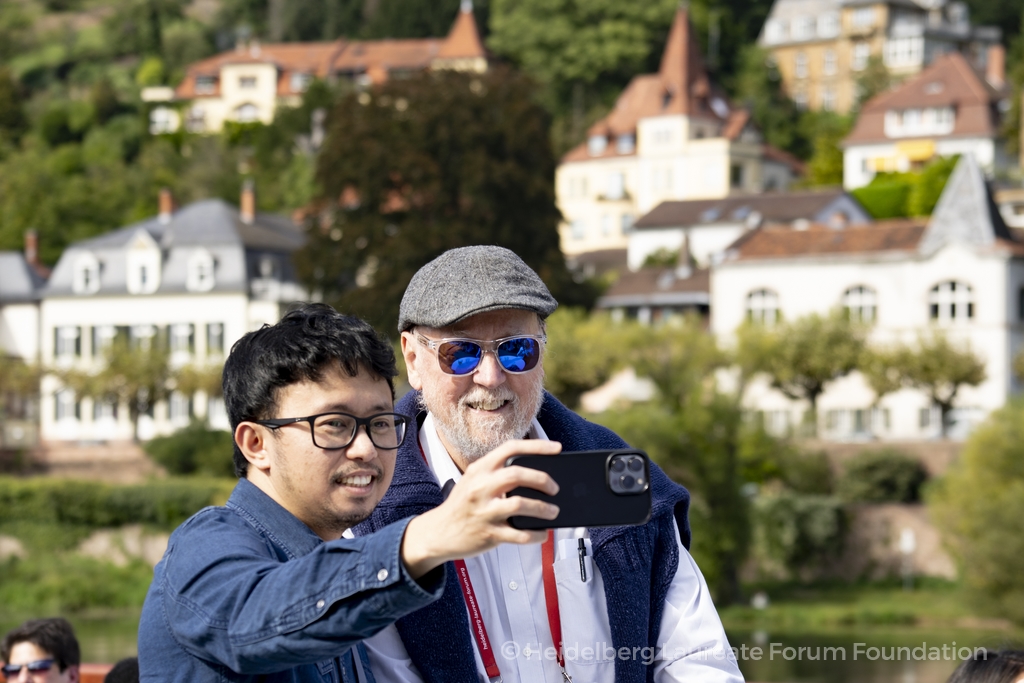
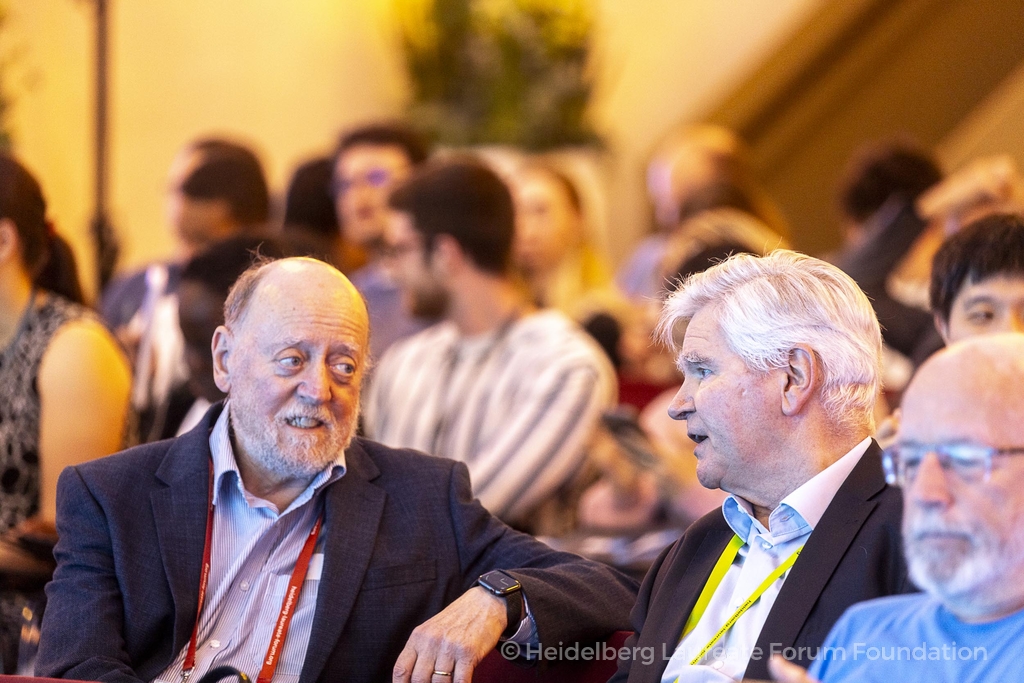
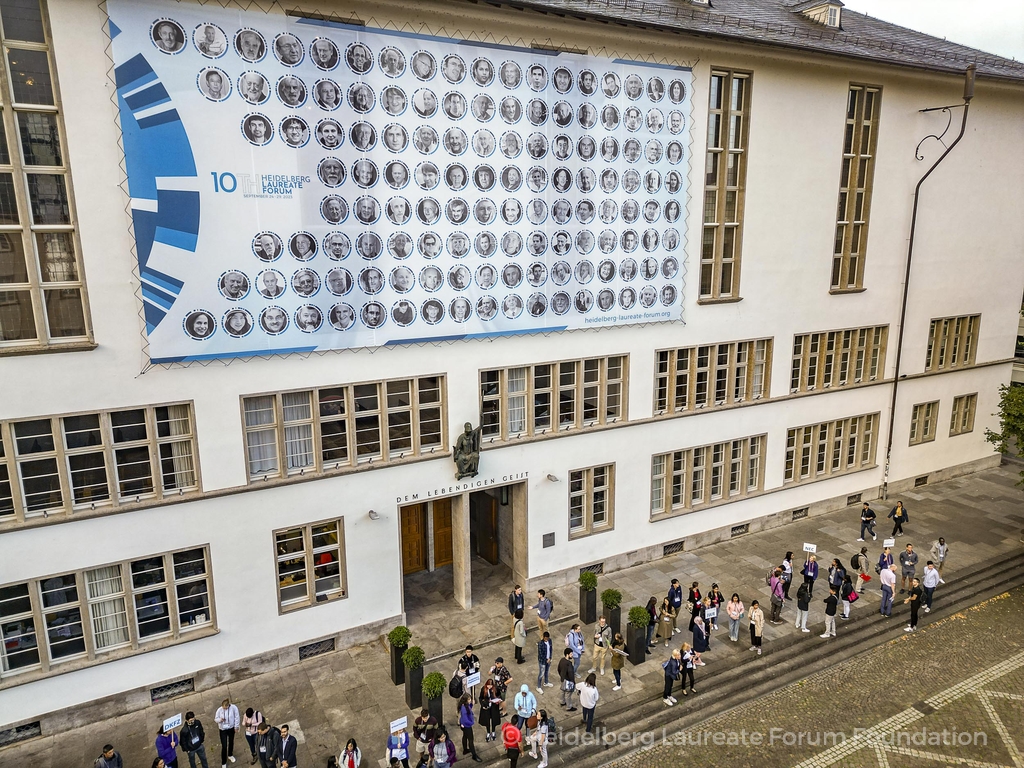
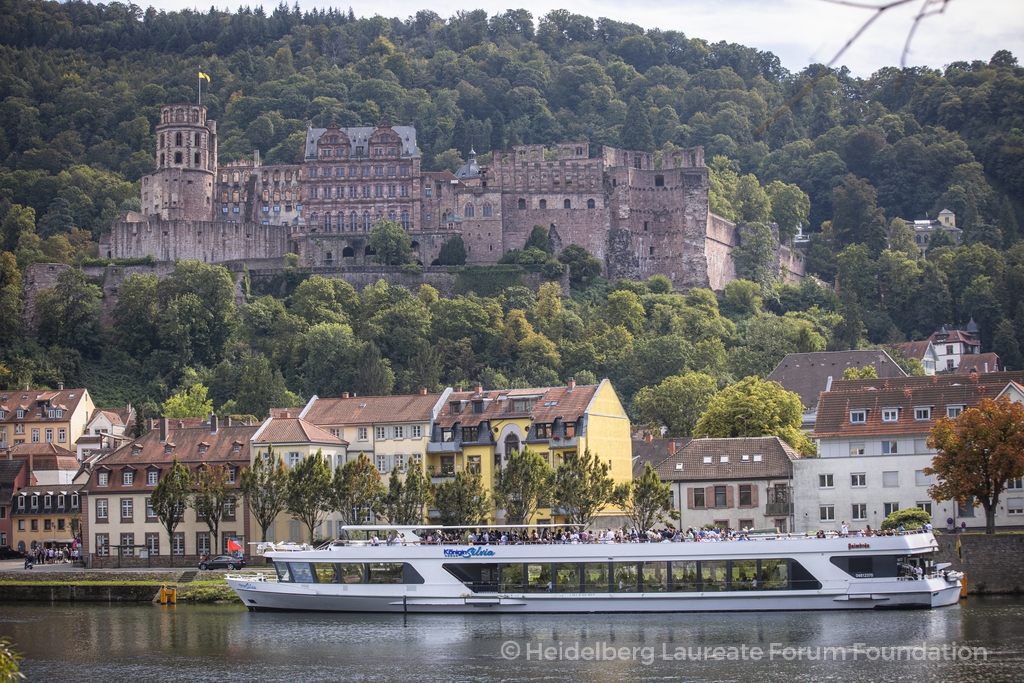
The Heidelberg Laureate Forum (HLF) is a week-long conference that takes place annually at the end of September in Heidelberg, Germany. HLF is designed as a networking event that brings together 200 selected young researchers in math and computer science along with laureates of the disciplines: recipients of the Abel Prize, ACM A.M. Turing Award, ACM Prize in Computing, Fields Medal, IMU Abacus Medal and Nevanlinna Prize. This year, ICL’s Jack Dongarra attended as laureate and Daniel Barry as one of the young researchers.





Interview
Thomas Grützmacher

Where are you from originally?
I am born in Germany and grew up on a farm in Meckenbeuren, which is a small-town south of Germany next to Lake Constance. My parents operate the farm themselves without help from outside, so I helped where I was needed.
Can you summarize your educational and professional background?
I finished my Abitur (similar to finishing high school in the US) while living in Meckenbeuren, then I moved to Karlsruhe to pursue a bachelor’s and master’s degree in computer science. I majored in power grids, parallel systems, and high-performance computing. For my master’s thesis, I met Hartwig and worked on compression in sparse linear algebra. I really enjoyed working with his group and low-level high-performance code, so I decided to start my PhD in his group. Now, I focus on compression, developing Ginkgo, and creating an interface for memory accesses.
How did you first hear about ICL, and what made you want to work here?
Hartwig talked about ICL quite a bit during my time in Karlsruhe. I visited ICL twice since then, and really enjoyed it: Everyone I encountered was friendly and helpful, and I had a great time. When he offered me to work here until the end of the year, I just had to take it.
What are your main research interests and what do you work on at ICL?
My main interest is in improving memory accesses and compression for both GPUs and CPUs. This includes mixed-precision, as you can look at it as a form of element-wise lossy compression.
At ICL, I will continue my research and work on Ginkgo since I am getting close to finishing my PhD. Additionally, I will also try to contribute to SLATE while I am here.
What are your interests/hobbies outside of work?
I really enjoy PC gaming with friends and building / upgrading my PC with custom water cooling. In terms of out-door activities, I also like to go Kart racing and swimming (since I grew up close to Lake Constance). Additionally, as part of Hartwig’s team, I also enjoy hiking (and the occasional death march).
Tell us something about yourself that might surprise people.
I went through the trouble and took an external GPU with me to Knoxville in my carry-on, which left barely any space for other items. And since I arrived, I haven’t started it even once so far (the time will come) because there was always an activity or event to join.
If you weren’t working at ICL, where do you think you would like to be working and why?
If I wasn’t continuing my PhD in Karlsruhe, I would be coding somewhere in industry. This has been my goal since I was little: Working with computers, and as soon as I knew what a developer was, I wanted to become that. I worked a lot with robots and always enjoyed low-level programming, so I might have worked for an embedded systems company or an HPC one.